Potty Training and Autism: How to Support Children with Additional Needs
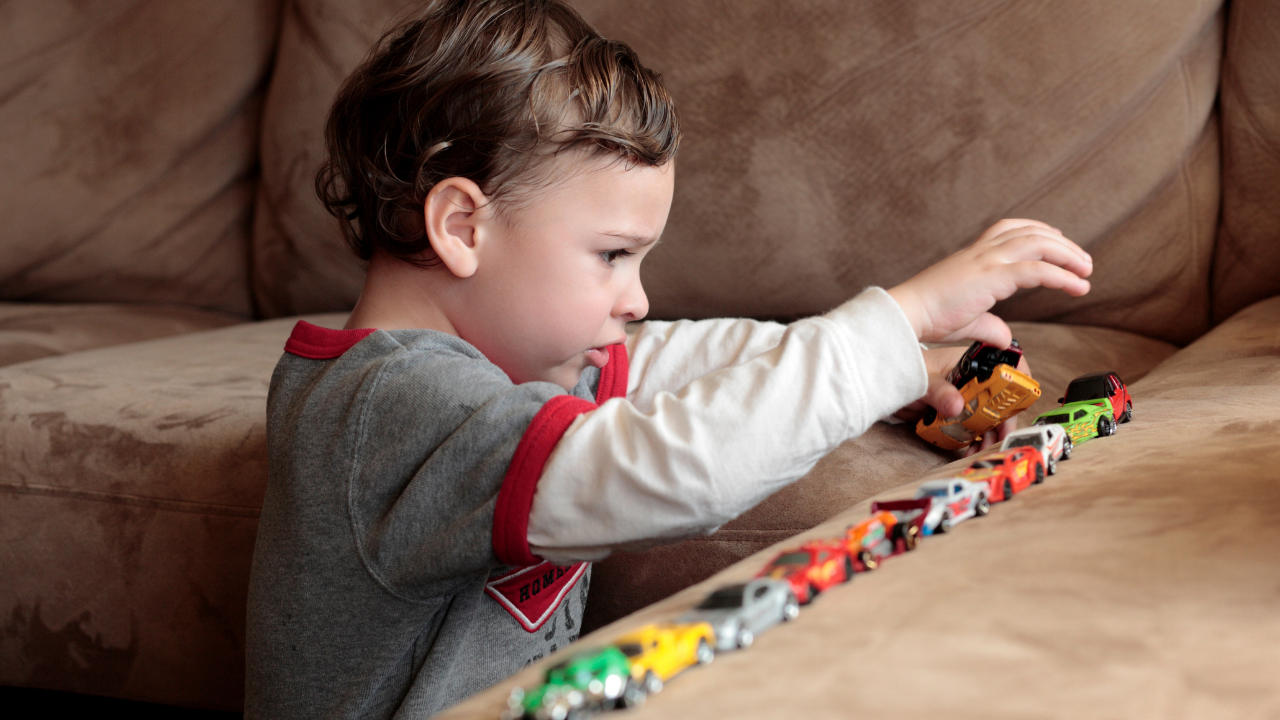
Potty training can feel challenging for any parent, but if your toddler is autistic or has additional needs, you may have even more questions.
Will they recognise when they need a wee? What if they struggle with changes to their routine? What if they don't communicate verbally or find sitting on the toilet overwhelming? And should you wait until they're older before introducing potty training?
The first thing to understand is that autistic children can learn to use the toilet, but some may need a different pace, additional support or adjustments to the process.
There's no single approach that works for every child.
Is Potty Training Different for Autistic Children?
The basic skills involved in potty training are the same for all children.
They need to learn to:
• recognise the sensations associated with wees and poos
• understand what those sensations mean
• become comfortable using the toilet
• communicate their needs in a way that works for them
• gradually develop greater independence
However, some autistic children may experience additional challenges that affect how they learn these skills. These can include sensory sensitivities, differences in body awareness, communication difficulties or finding changes to familiar routines particularly challenging.
Other autistic children may experience very few difficulties with potty training.
Being autistic doesn't automatically mean a child will struggle with potty training or need to start later.
The important thing is understanding your individual child and what support they may benefit from.
Understanding Body Awareness and Toilet Signals
One challenge some autistic children experience is difficulty recognising or interpreting signals from inside their body. This is called interoception.
Interoception helps us recognise internal sensations, such as hunger, thirst and needing the toilet. Some children may not notice that their bladder is full until they're already weeing. Others may recognise the sensation but find it difficult to understand what it means or how to respond.
This doesn't necessarily mean they're incapable of learning. It may just mean they need additional opportunities to develop awareness and connect those sensations with using the toilet.
Sensory Sensitivities Can Make Toilets Difficult
For some autistic children, the bathroom itself can be overwhelming.
Think about everything involved in using a toilet. There's the sound of flushing, the feeling of the toilet seat, the lighting, the smell of the bathroom and sometimes the sensation of their feet dangling above the floor.
Things that seem insignificant to an adult may feel uncomfortable or distressing to a child.
You might notice your toddler:
• covering their ears when the toilet flushes
• refusing to sit on a particular toilet seat
• becoming upset in unfamiliar bathrooms
• disliking the sensation of clothing being removed
• avoiding public toilets
Rather than assuming your child is simply refusing to cooperate, consider whether something about the environment is making toilet use uncomfortable.
How Can You Make the Bathroom More Comfortable?
Small adjustments can sometimes make a big difference.
For example:
• use a familiar secure toilet seat insert and footstool so your child feels supported
• avoid flushing while your child is in the bathroom if the noise frightens them
• consider softer lighting if the bathroom is particularly bright
• keep the environment calm and predictable
• allow time to become familiar with the bathroom before expecting toilet use
The aim is to make the toilet somewhere your child feels safe and comfortable.
Does My Child Need to Be Talking Before Potty Training?
No. Spoken language isn't essential for learning to use the toilet.
Some autistic children communicate verbally, while others use gestures, signs, pictures or communication devices. The important thing is finding a way for your child to communicate their needs.
For example, they might:
• point towards the bathroom
• use a toilet picture card
• make a particular gesture or sign
• use an AAC communication device
• take an adult's hand towards the toilet
Remember, recognising the need to wee and communicating that need are separate skills. Your child may develop them at different rates.
If you'd like to explore this further, you can read my blog Can You Potty Train Before Your Child Talks?
Why Predictable Routines Can Help
Some autistic children find comfort in familiar, predictable routines. Introducing the toilet as part of an existing routine can help make the experience less overwhelming.
For example, you might start by introducing one short toilet sit after waking up or before getting dressed. Rather than suddenly expecting your child to spend an entire day without nappies, they can gradually become familiar with the bathroom, toilet and expectations.
Visual schedules can also help some children understand what will happen next.
For example: bathroom → clothing down → toilet sit → clothing up → wash hands
Not every child will need a visual schedule, but it can be useful when verbal explanations alone aren't enough.
What If My Child Refuses to Sit on the Toilet?
Refusing to sit doesn't necessarily mean your child isn't capable of potty training. There may be something about the experience they find uncomfortable, confusing or frightening.
Before repeatedly encouraging them to sit, try to understand what might be causing the resistance.
Are they worried about falling in?
Does the toilet feel uncomfortable?
Are they frightened of the flushing noise?
Do they understand what's being asked of them?
For some children, the first step may simply be becoming comfortable entering the bathroom. Others may need time to explore the toilet seat or practise the routine without any expectation of producing a wee.
Avoid physically forcing a distressed child to sit on the toilet. The aim is to build confidence, not create an association between the toilet and distress.
Should You Wait for Potty Training Readiness Signs?
Traditional potty training advice often tells parents to wait until their child shows a checklist of readiness signs. However, the skills included in these checklists can develop through learning and experience and don't need to appear being starting potty training.
This is particularly important for autistic children, as some may need additional time to develop body awareness, communication and confidence with using the toilet. Waiting until your child demonstrates every readiness sign could mean delaying opportunities to learn skills that may already take them longer to develop.
Instead, consider introducing toilet learning gradually from around 18 months, adapting the approach to your child's individual needs.
This doesn't mean removing nappies immediately or expecting your child to use the toilet independently. It might simply involve introducing short toilet sits a couple of times a day, establishing predictable routines and helping them become familiar with the bathroom.
Starting early gives your child more time to learn without the pressure of an approaching school start date compared to if you chose to wait until closer to 3 years or older to start.
The goal isn't to rush potty training, but to give your child the time and support they need to develop these skills at their own pace.
What About Poo Withholding and Constipation?
Constipation is particularly important to consider when potty training a child with additional needs. Some children may have difficulty recognising when they need a poo, while others may avoid pooing because of sensory discomfort, anxiety or a previous painful experience.
If your child begins withholding their poo, don't increase pressure around using the toilet. The priority is making sure they're pooing comfortably and regularly.
If you suspect constipation or withholding, speak to your GP. Constipation may need medical treatment before you can make meaningful progress with potty training.
You can also read my blog Potty Training and Constipation: What to Do If Your Toddler Is Holding Their Poo for more information.
Can a Gradual Potty Training Approach Help?
For some autistic children, a gradual approach can be particularly useful because it avoids introducing too many changes at once. Rather than removing nappies immediately, you can begin with smaller steps.
Within Potty Pros Academy, the early stages focus on introducing short toilet sits and developing awareness, routines and confidence while your toddler continues wearing nappies. This allows many of the foundations of potty training to develop before nappies are removed.
However, Potty Pros Academy is a general potty training programme rather than an autism-specific method. Some autistic children may follow the approach with only minor adjustments, while others may need a more individualised plan. The goal is always to support your child's development rather than expecting them to fit a particular timeline.
When Should You Seek Additional Support?
If potty training is causing significant distress, your child is struggling to recognise bladder or bowel sensations, or you're making little progress despite adjustments, additional support may be helpful.
You could speak to your GP, health visitor or a healthcare professional familiar with your child's developmental needs. Depending on the difficulties involved, they may recommend support from a specialist children's bladder and bowel service or another appropriate professional.
You don't need to wait until potty training becomes a major problem before asking for advice.
FAQs
Can autistic toddlers be potty trained?
Yes. Autistic toddlers can learn to use the toilet, although some may need additional support or adjustments to the process.
Their individual communication, sensory and developmental needs are more important than assuming they will follow a particular timeline because they're autistic.
What age should you potty train an autistic child?
It's generally better to introduce potty training earlier rather than simply waiting until your child is older.
Some autistic children may need more time to learn specific potty training skills, particularly if they experience sensory sensitivities, communication difficulties or challenges with changes to routine.
Starting gradually from around 18 months can give your child plenty of time to develop these skills at their own pace. If you wait until later, such as starting at 3 years old it will leave considerably less time to practise before starting school.
You don't need to remove nappies straight away. Begin with short, comfortable toilet sits, familiar routines and opportunities to build awareness while your child continues wearing nappies.
The aim isn't to rush your child into being potty trained earlier, but to start the learning earlier so they have more time to succeed.
What if my autistic child is frightened of the toilet?
Try to identify what is causing the fear. It could be the flushing noise, the toilet seat, the bathroom environment or uncertainty about what will happen.
Make adjustments where possible and allow your child to become comfortable gradually, without forcing them to sit.
Does Potty Pros Academy work for autistic children?
Potty Pros Academy uses a gradual, staged approach that some autistic children may benefit from.
However, it isn't specifically designed for children with autism, and children with more complex needs may require additional adaptations or specialist guidance.
Should I stop potty training if my child becomes distressed?
If toilet use is regularly causing significant distress, avoid pushing ahead with the same expectations. Consider what may be causing the difficulty, reduce pressure and seek professional guidance where needed.
Sometimes adjusting the environment or breaking the process into smaller steps is more helpful than continuing with the same approach.
If You Haven't Started Potty Training Yet
You don't necessarily need to remove nappies to begin helping your toddler become familiar with the toilet. There are simple things you can introduce gradually to help build awareness, understanding and confidence.
That's why I created my free guide: 5 Things to Do Before Starting Potty Training
It walks you through five simple ways to begin preparing your toddler for potty training while they're still wearing nappies.
Ready to get started?
Download my FREE guide on 5 Things You Can Do Before Potty Training.
These simple, practical tips will help you lay the groundwork — so when you do start potty training, the process is smoother, quicker, and less stressful for everyone.
Author