Can You Potty Train Before Your Child Talks?
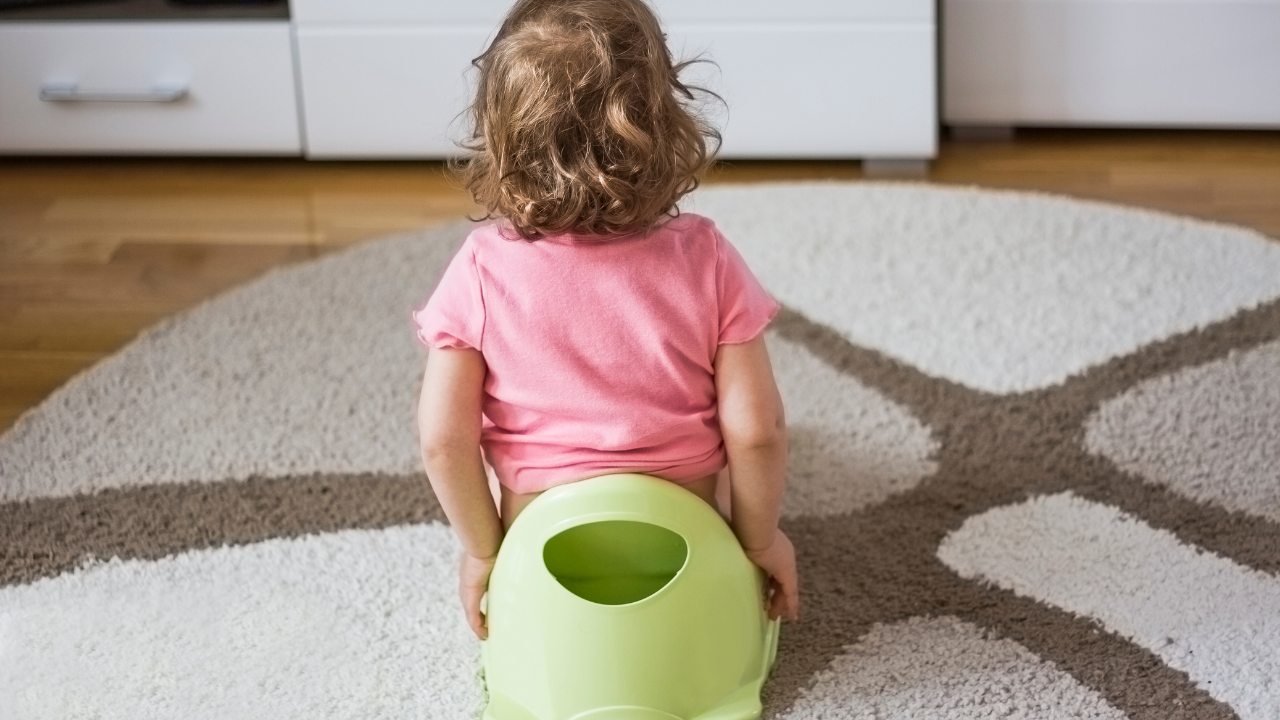
One of the most common questions I hear is:
"Can I potty train my toddler if they aren't talking yet?"
For many parents, limited speech feels like a reason to wait.
After all, if your toddler can't tell you they need a wee, how can they possibly potty train?
The good news is that the answer is simple:
Yes, you can absolutely potty train before your child is talking.
In fact, many toddlers successfully begin potty training long before they are speaking in full sentences.
Why Parents Think Talking Is Essential
It's easy to understand where this idea comes from.
We often imagine potty training looking like this:
"Mummy, I need a wee!"
But verbal communication is only one way children communicate.
Long before toddlers can say those words, they're already communicating with us every day.
- They point.
- They gesture.
- They take us by the hand.
- They make sounds.
- They use facial expressions.
- They show us what they need in lots of different ways.
Potty training is no different.
Communication Is More Important Than Speech
Your toddler doesn't need to say, "I need the toilet."
They simply need a way of communicating with you.
That might be:
• pointing to the toilet
• using a picture card
• taking your hand
• making a particular sound
• using a simple sign
Many families also choose to teach the sign for "toilet" or "wee," giving their toddler another simple way to communicate before spoken language develops.
The goal isn't perfect speech.
The goal is helping your child communicate in whatever way works for them.
If your toddler has limited speech, I've written a more detailed article on potty training with delayed or limited speech - article.
Potty Training Doesn't Start With Your Toddler Telling You They Need a Wee
Another common misconception is that successful potty training depends on your child recognising the urge to wee and telling you about it.
In reality, that's often a skill that develops during potty training rather than before it.
Many toddlers don't start by announcing they need the toilet.
Instead, they gradually learn to:
• notice their body's signals
• understand what those feelings mean
• connect those feelings with using the toilet
Often while your child is developing those skills to recongise when they need the toilet their communication is also developing alongside.
How Can You Encourage Communication?
If your toddler isn't talking yet, there are lots of simple ways to support communication during potty training.
You could:
• consistently use the same words, such as "wee," "poo," or "toilet"
• model the sign for "toilet" each time you go
• use a simple picture card your toddler can point to
• encourage gestures without expecting speech
The more consistent you are, the easier it becomes for your toddler to understand what you're communicating.
What If My Child Never Tells Me They Need the Toilet?
Many parents worry that their toddler will never become independent if they don't verbally tell them they need a wee.
In reality, independence develops gradually.
At first, you may rely more on routines and observation.
Over time, your toddler often begins to:
• pause before they wee
• head towards the bathroom
• point to the toilet
• use a sign
• eventually use words
There isn't one correct route to independence.
A Structured Approach Can Help
One reason parents delay potty training is because they believe their toddler must be talking first.
But speech isn't a prerequisite for learning.
That's why some parents choose a staged approach such as Potty Pros Academy, which focuses on building awareness, routines and confidence first.
As those foundations grow, communication often develops naturally alongside them.
FAQs
Can a toddler potty train if they can't talk?
Yes.
Toddlers can communicate in many different ways, including gestures, pointing, signs and picture cards. Speech is not essential for potty training.
Do toddlers need to tell you when they need a wee?
No.
Many children don't verbally tell an adult they need the toilet at the beginning of potty training. This awareness and communication often develop as they learn.
Should I teach my toddler the sign for toilet?
It can be very helpful.
Using a simple sign consistently gives your toddler another way to communicate before spoken language develops.
Can children with delayed speech still potty train?
Yes.
Delayed speech doesn't automatically mean a child isn't ready to begin learning toilet routines. Communication is much broader than spoken words.
If your child has additional needs, you may simply need to adapt the pace and communication methods to suit them.
Can Potty Pros Academy help if my toddler isn't talking yet?
Yes.
Potty Pros Academy is designed around building awareness and routines gradually, and many families successfully use gestures, signs or picture cards alongside the method.
If You Haven't Started Yet (Or Want It to Feel Easier)
If you've been waiting for your toddler to start talking before introducing potty training, you may not need to wait any longer.
Many of the most important potty training skills can begin developing before spoken language.
That's exactly why I created my free guide: 5 Things to Do Before Starting Potty Training.
It explains the simple steps you can take to build your toddler's awareness, confidence and routines before nappies come off.
Ready to get started?
Download my FREE guide on 5 Things You Can Do Before Potty Training.
These simple, practical tips will help you lay the groundwork — so when you do start potty training, the process is smoother, quicker, and less stressful for everyone.
Author