Potty Training and Limited Speech: Why Talking Isn’t Required
Many parents delay potty training because their toddler isn’t talking yet, but speech isn’t actually required for potty training. They assume their child needs to be able to say “wee” or “toilet” before they can possibly succeed. If your toddler has limited speech, or even no words at all yet, you might be wondering whether it’s even worth starting.
This belief is incredibly common and it’s also one of the biggest myths around potty training.
Why This Worry Can Feel So Big
When your child isn’t talking yet, it can feel like everything is harder. You might already be navigating frustrations around communication, guessing needs, and worrying whether you’re doing the right thing developmentally.
So when it comes to potty training, the fear often sounds like:
How will they tell me they need to go?
What if they can’t communicate and just have accidents?
Should I wait until they can talk properly?
This uncertainty can keep parents stuck in nappies longer than they want, even when their child is capable of starting.
The Truth: Speech Is Not a Requirement for Potty Training
Toddlers do not need spoken language to learn how to use the toilet. Before children ever use words, they communicate in lots of other ways:
- Gestures
- Facial expressions
- Body language
- Sounds
- Actions
Potty training is about body awareness, not vocabulary. Many children learn to use the potty confidently before they can say the word for it. This is exactly the kind of approach I guide you through inside the Potty Pros Academy, focusing on awareness, routine, and gentle support rather than relying on speech.
How Toddlers Can Communicate Without Words
Instead of waiting for speech, you can support communication in other simple, effective ways.
Gestures
Your toddler might point, pull at their nappy, pause mid-play, or head toward the bathroom. These cues often come before words and they’re just as meaningful.
Picture cards
A simple picture of a toilet placed somewhere visible (like near the bathroom) can become a powerful communication tool. Your toddler can bring it to you, point to it, or look at it when they need to go. We include a picture card inside the Potty Pros Academy for all families, as this can help support all toddlers, not just those toddlers with limited speech.
Sign language
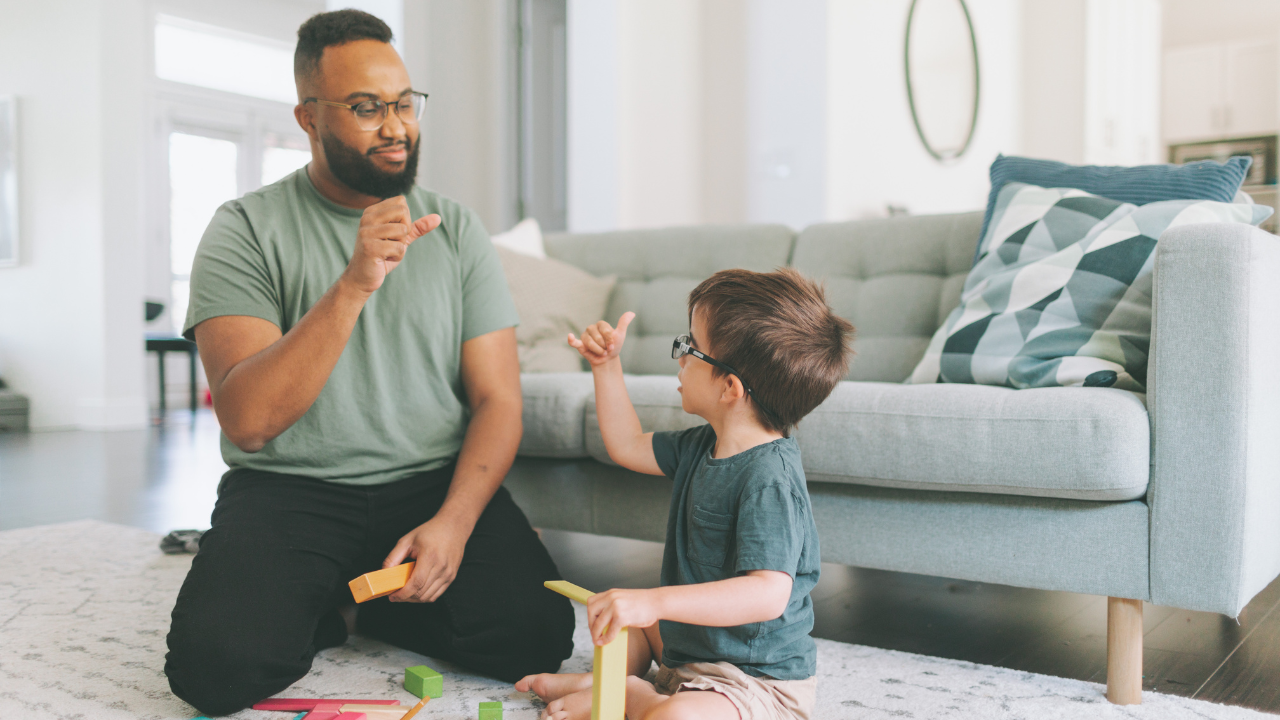
Many families use the sign for “toilet” or “wee” (often a simple ‘T’ handshape or fist movement). Children can learn and use signs long before they speak and it gives them a clear, frustration-free way to communicate.
Routine-based communication
Even without words, toddlers learn routines quickly. Regular toilet times (before outings, after meals, before naps) help them anticipate what comes next, no talking required.
Why Waiting for Speech Can Actually Make Things Harder
If you wait until your child can verbally tell you they need the toilet, you may miss an easier window where:
- They’re more cooperative
- Less resistant to routines
- Happier to follow your lead
Later on, potty training can become more about control and less about learning, especially if communication delays are paired with strong independence.
Starting gently, without pressure, allows communication to grow alongside toileting skills.
Ready to get started?
Download my FREE guide on 5 Things You Can Do Before Potty Training.
These simple, practical tips will help you lay the groundwork — so when you do start potty training, the process is smoother, quicker, and less stressful for everyone.
Author