Potty Training While Pregnant: Should You Start Before Your Baby Arrives?
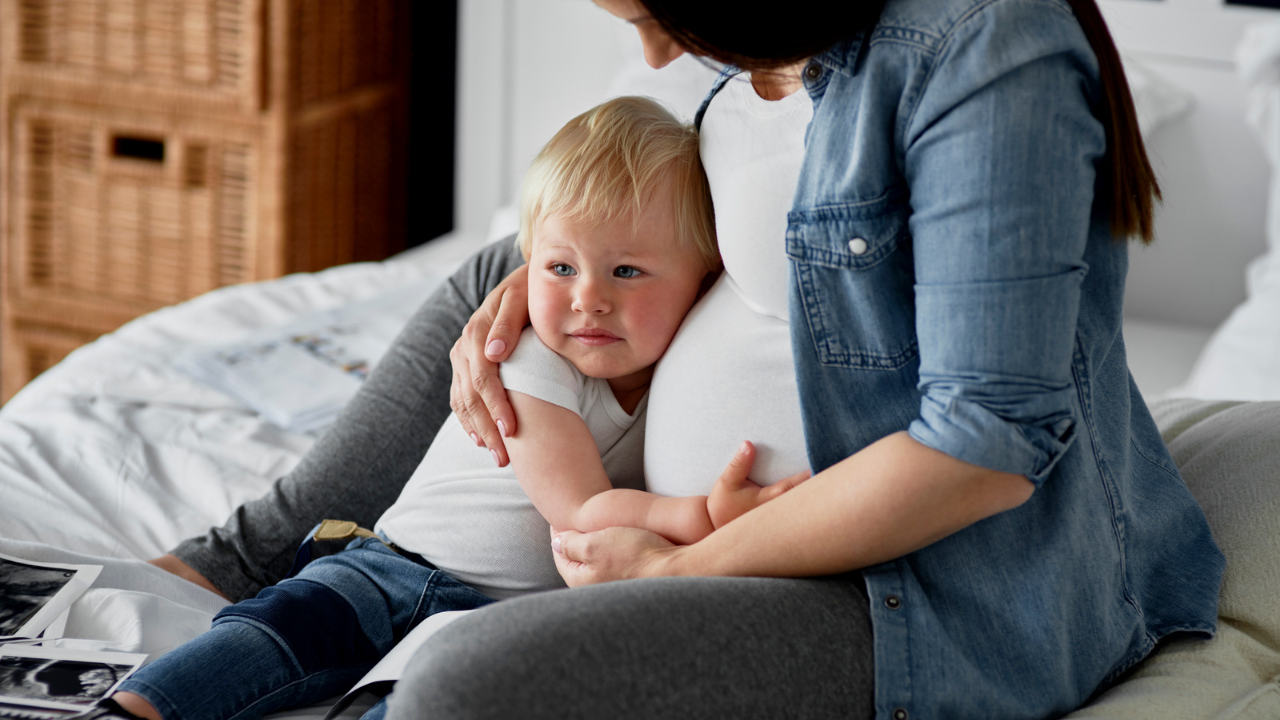
You're expecting another baby, and somewhere on your growing list of things to organise is potty training your toddler. Wouldn't it be easier to have just one child in nappies when the baby arrives?
But what if your toddler isn't ready? What if you start potty training and then the baby arrives halfway through? Or what if you're simply too tired to deal with accidents while pregnant?
It's understandable to wonder whether you should start potty training before your baby arrives or wait until life has settled down.
The good news is that potty training doesn't have to be an all or nothing decision.
You can begin helping your toddler learn important toilet skills during pregnancy without immediately removing their nappies.
Should You Potty Train Before Having Another Baby?
There's no single answer that works for every family. Some parents prefer to begin potty training before their baby arrives, hoping their toddler will be more independent by the time they're caring for a newborn. Others worry that introducing potty training during pregnancy will create unnecessary pressure. Both concerns are understandable.
The important thing is to distinguish between starting potty training and removing nappies. These don't have to happen at the same time.Your toddler can begin learning about the toilet, developing awareness of wees and poos, and becoming comfortable with short toilet sits while continuing to wear nappies throughout the day.
This means you can make progress during pregnancy without committing to managing accidents or removing nappies before your due date.
Why Starting Potty Training Gradually During Pregnancy Can Help
1. You Have Time to Build Familiar Routines
Pregnancy gives you an opportunity to introduce toilet learning before your family routine changes. Rather than suddenly removing nappies, you can begin with two short, predictable toilet sits each day.
For example:
• first thing in the morning
• before their evening bath
These opportunities can become familiar parts of your toddler's routine. There's no expectation that they must produce a wee every time. Initially, the aim is simply to help them become comfortable sitting on the toilet.
2. Your Toddler Can Learn While Still Wearing Nappies
One of the biggest misconceptions about potty training is that nappies need to come off before learning can begin. But there are plenty of skills your toddler can develop while still wearing them.
They can begin to recognise when they're doing a wee, become familiar with using the toilet and gradually understand what different sensations mean. As they develop these skills, you can increase toilet opportunities and support their awareness.
This means that even if your baby arrives before you're ready to remove nappies, the learning you've already introduced hasn't been wasted.
3. There's Less Pressure to Finish Before Your Due Date
If you approach potty training as something that must be completed before the baby arrives, it's easy to feel under pressure. You might find yourself counting down the weeks and worrying that your toddler isn't progressing quickly enough. But your due date doesn't need to become a potty training deadline.
Starting early gives you more time to teach the skills, not a reason to rush through them.
If your toddler is making progress, you can continue. If you need to slow things down because you're exhausted, unwell or preparing for the birth, you can adjust your expectations.
When Is the Best Time During Pregnancy to Start?
If your toddler is around 18 months or older, you can consider introducing gentle toilet routines during pregnancy. You don't need to wait until they can independently tell you they need a wee or demonstrate every traditional potty training readiness sign.
Many of those skills develop through experience and practice. However, how you approach potty training will depend on your toddler's development and how you're feeling.
If You're in Early Pregnancy
You may have several months before your baby arrives. This can give you time to introduce short toilet sits, gradually build awareness and progress through the early stages without feeling rushed.
You might eventually reach the point of removing daytime nappies before the birth, but that doesn't need to be your starting goal.
If You're in Your Third Trimester
You can still introduce toilet learning, even if your due date is approaching. However, I'd be cautious about rushing to remove nappies simply because you want potty training completed before the baby arrives.
If your toddler hasn't yet developed the foundations for using the toilet, removing nappies may create more work at a time when you're already preparing for a significant change.
Instead, concentrate on familiar routines and building awareness. You can decide when to remove nappies later.
Should You Remove Nappies Before the Baby Arrives?
This depends on your toddler's progress and your family's circumstances. Within Potty Pros Academy, removing daytime nappies is the third stage of the process.
Before reaching that point, your toddler has spent time becoming familiar with the toilet, developing body awareness and learning to release wees on the toilet. I wouldn't recommend removing nappies simply because you're approaching your due date.
Instead, consider whether your toddler is already making consistent progress.
For example:
• are they comfortable using the toilet?
• are most wees happening on the toilet during planned opportunities?
• are their nappies increasingly remaining dry between toilet visits?
• are they becoming more aware of when they need a wee?
If your toddler is progressing well and you have enough time and support to manage the transition, removing nappies before the birth may be reasonable. But if your due date is very close, or you're struggling with pregnancy-related tiredness or discomfort, there's nothing wrong with staying in Stage 2 of the Potty Pros Academy until life is more manageable.
What If Your Baby Arrives Before Potty Training Is Finished?
That's absolutely fine. If you've already established two familiar toilet sits each day, you may be able to continue these around your newborn's routine. For example, a morning toilet sit could happen while your partner is looking after the baby, or an evening sit could remain part of your toddler's usual bath routine. If you're finding it difficult to manage, it's okay to reduce expectations temporarily.
The aim is to maintain a positive, familiar relationship with the toilet rather than insisting on progress during an already demanding period.
Will My Toddler Regress When the New Baby Arrives?
Some toddlers experience changes in their toileting habits after a new sibling arrives. They might have more accidents, become less interested in sitting on the toilet or ask for additional help.
This can happen because their routines have changed, they're distracted or they're adjusting emotionally to having a new baby in the family.
However, regression isn't inevitable.
Some toddlers continue using the toilet much as they did before. And if your toddler does experience a setback, it doesn't mean starting during pregnancy was a mistake. Respond calmly, offer reassurance and adjust your expectations if needed.
You can read more in my blog Potty Training Regression After a New Baby: Why It Happens and What to Do.
How to Make Potty Training Easier While Pregnant
Keep Toilet Sits Short
You don't need your toddler to sit on the toilet for long periods. Short, calm opportunities are enough when you're introducing the routine. If they don't produce a wee, simply finish the sit and move on.
Choose Times That Already Fit Your Day
Rather than introducing a complicated schedule, attach toilet sits to routines you're already doing. First thing in the morning and before a bath are useful starting points. This can make the routine easier to maintain when you're tired or busy.
Involve Your Partner or Other Caregivers
If your partner, family members or childcare providers regularly care for your toddler, explain the approach you're using. Consistency can be helpful, particularly if you'll need extra support towards the end of pregnancy or after giving birth. Try to agree on the same calm language and expectations so your toddler isn't receiving conflicting messages.
Avoid Making Potty Training About the New Baby
It's tempting to say things such as:
"You'll be a big sister soon, so you need to stop wearing nappies."
But becoming an older sibling doesn't automatically mean your toddler has developed the skills needed to manage without nappies. Try to keep potty training separate from their new role in the family. Your toddler doesn't need to prove they're a big boy or girl by using the toilet.
Be Flexible About Your Plans
Pregnancy doesn't always go according to plan. You may experience tiredness, illness or complications that make your original potty training plans unrealistic. And babies don't always arrive on their due dates! It's okay to adjust or pause potty training. The important thing is that toilet learning remains a positive experience rather than another source of pressure.
Is It Better to Wait Until After the Baby Is Born?
Not necessarily. If your toddler is at an age (18 months+) where they can begin learning toilet skills, you don't have to postpone everything simply because you're pregnant. Starting with gentle routines can still be manageable even when you have a lot going on.
However, if you're experiencing a difficult pregnancy, your toddler is particularly unsettled or you simply don't have the capacity to introduce something new, waiting may be the better decision for your family. There's no benefit in forcing a routine that neither of you can comfortably manage.
The important distinction is that you can begin preparing for potty training without committing to removing nappies.
How Close to Your Baby's Arrival Can You Start Potty Training?
As a general guideline, I'd avoid starting potty training within four weeks of your baby's due date or during the first four weeks after their arrival.
Welcoming a new baby is a significant adjustment for your toddler. Their usual routines may change, they'll be sharing your attention and they may be experiencing lots of new emotions. Introducing something completely new, even short toilet sits, can add another change at an already unsettled time.
If you're less than four weeks from your due date and haven't started introducing the toilet yet, I'd recommend waiting. Similarly, if your baby has arrived within the last four weeks, give your toddler time to adjust to their new sibling before beginning potty training.
This doesn't mean stopping toilet learning that's already well established. If your toddler is already happily sitting on the toilet as part of their daily routine, you can continue with those familiar opportunities.
The four-week window isn't a strict developmental rule, and some toddlers may need longer to settle into their new family routine. The aim is simply to avoid introducing another big change when your toddler already has plenty to adjust to.
If You're Expecting Another Baby and Haven't Started Potty Training
You don't need to wait until you're ready to remove nappies before helping your toddler learn. There are simple things you can begin doing during pregnancy that help build toilet awareness, familiarity and confidence.
That's exactly why I created my free guide: 5 Things to Do Before Starting Potty Training.
It walks you through five simple things you can introduce while your toddler is still wearing nappies, helping you get started without the pressure of having to finish before your baby arrives.
Ready to get started?
Download my FREE guide on 5 Things You Can Do Before Potty Training.
These simple, practical tips will help you lay the groundwork — so when you do start potty training, the process is smoother, quicker, and less stressful for everyone.
Author