
Potty Training Regression After a New Baby: Why It Happens and What to Do
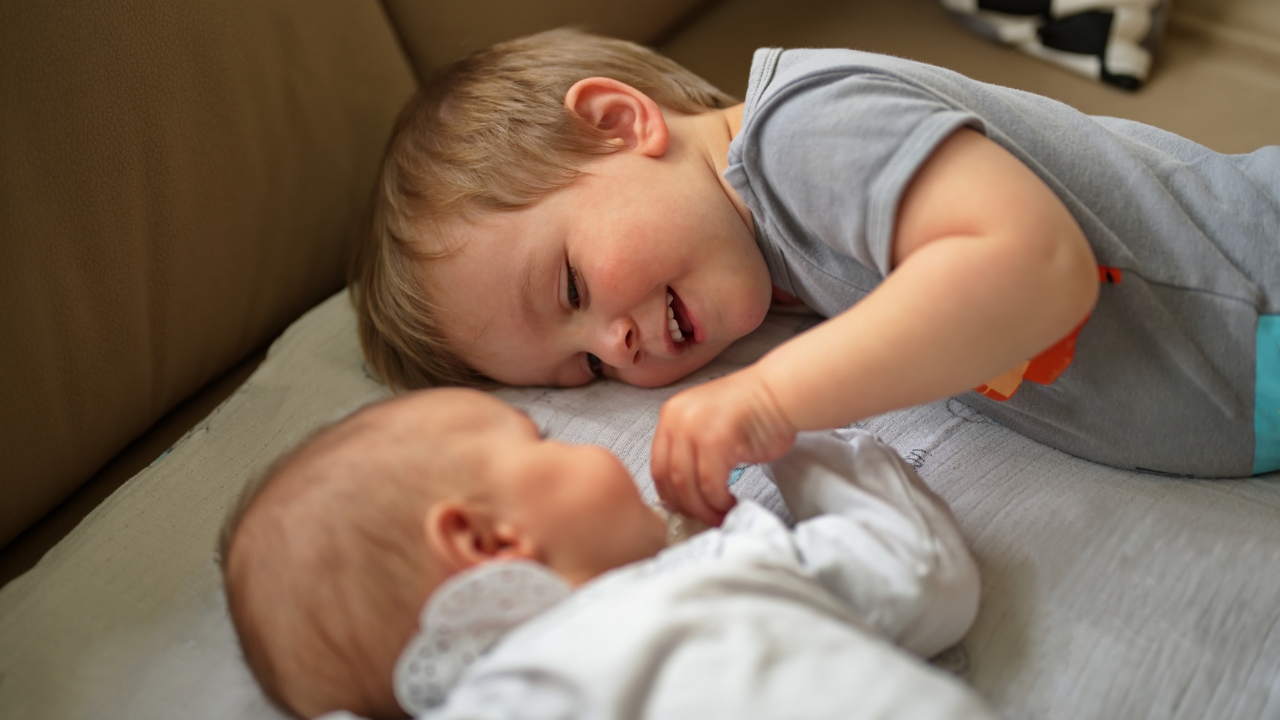
Your toddler was doing brilliantly with potty training. They were using the toilet, accidents were becoming less frequent and you were beginning to feel confident that things were going well.
Then their new baby brother or sister arrived.
Suddenly, they're having accidents again, refusing to sit on the toilet or asking to wear nappies.
It's understandable to feel frustrated or confused, particularly when you're already adjusting to life with a newborn.
But potty training regression after the arrival of a new baby is not unusual, and it doesn't necessarily mean your toddler has forgotten everything they've learned.
Why Do Potty Training Regressions Happen After a New Baby?
Welcoming a new baby is a significant change for the whole family. For your toddler, it can mean changes to their routines, less individual attention, different caregivers such as grandparents caring for them and new expectations.
Even if they're excited about becoming a big brother or sister, they may still find the adjustment difficult and potty training is one area where these changes can become noticeable.
1. Changes to Their Usual Routine
Toddlers often benefit from predictable routines, particularly when they're learning something new.
Before the baby arrived, your child may have had familiar opportunities to use the toilet throughout the day. Now, you might be feeding the baby, changing nappies or trying to get everyone out of the house. Your toddler may miss opportunities to use the toilet simply because the day looks different. They may also become distracted by everything happening around them.
2. Wanting More Attention and Connection
A new baby naturally requires a lot of care and attention.
Your toddler may notice that the baby is frequently being held, fed, changed and comforted. Sometimes, changes in toileting behaviour can happen alongside a greater need for reassurance and connection. This does not mean your toddler is deliberately having accidents to get attention.
Accidents aren't something children should be blamed for, even when emotional changes may be contributing.
Instead, consider whether your toddler needs some extra reassurance during this transition.
3. Feeling Overwhelmed by Change
Even positive changes can feel overwhelming to young children.
Your toddler may be experiencing different emotions, disrupted sleep or changes in their daily routine. When children are adjusting to something significant, skills that previously seemed well established can temporarily become less consistent. You might notice changes in sleep, behaviour, separation anxiety or toileting. This doesn't necessarily mean they've lost those skills permanently.
4. Wanting to Be Like the Baby
Some toddlers become particularly interested in the attention their new sibling receives. They might ask to be carried more often, want help with things they previously did independently or ask to wear nappies again.
Rather than seeing this as a step backwards that needs correcting immediately, try to understand what your child might be communicating. They may simply be looking for reassurance that they can still receive the same care and attention as before.
What Do Potty Training Regressions Look Like?
Regression doesn't look the same for every child.
You might notice your toddler:
• having more wee accidents than usual
• no longer telling you when they need the toilet
• refusing toilet sits they previously accepted
• asking to wear nappies again
• having poo accidents or withholding their poo
• needing more help with toileting tasks they previously managed independently
Some children experience only a few extra accidents, while others have a more noticeable change in their toileting habits. The important thing is to respond to what your child is finding difficult rather than assuming all regression needs the same solution.
How to Handle Potty Training Regression After a New Baby
1. Keep Your Response to Accidents Calm
When you're caring for a newborn and managing everything else, another pair of wet trousers can feel like the last thing you need. But try not to show frustration towards your toddler.
If they have an accident, you can simply say:"You've done a wee. Your pants are wet, let's get you changed." Help them into dry clothes and carry on with your day.
Avoid telling them they're a big boy or girl now, or that they should know better. Those comments can unintentionally add pressure at a time when your child may already be finding things difficult.
2. Reintroduce Familiar Toilet Routines
If toilet visits have become less consistent since the baby arrived, try returning to some familiar opportunities.
For example:
• after waking in the morning
• before leaving the house
• before a bath
• as part of the bedtime routine
You don't need to introduce a rigid schedule, take your toddler to the toilet every few minutes or add in constant reminders. Instead, focus on a handful of predictable opportunities that fit naturally into your day. If your toddler resists, avoid forcing them to sit.
3. Give Your Toddler Some Individual Attention
Sometimes, a little one to one time can make a difference during the adjustment to having a new sibling. It doesn't need to be an elaborate activity or a long outing. You might spend ten minutes reading together or playing with their favourite toys while the baby sleeps.
The important thing is that your toddler has opportunities to feel connected to you without always having to share your attention. Try not to make this attention dependent on successful toilet use. Your toddler shouldn't feel they need to produce a wee to receive praise, reassurance or connection.
4. Offer Help Without Making Them Feel Less Capable
Your toddler might suddenly want you to help with things they previously managed independently. Perhaps they want you to pull their trousers down, accompany them to the toilet or stay nearby while they sit. That's okay.
You can offer a little more support temporarily without assuming they've lost their independence. As their confidence returns, you can gradually encourage them to manage those tasks themselves again.
5. Avoid Putting Pressure on Being the 'Big Sibling'
It's tempting to remind your toddler that they're a big brother or sister now. But try not to use their new role as a reason they should manage toileting independently. Comments such as:"You're a big girl now. Only babies wear nappies." can make a child feel that needing help or having accidents is something to be ashamed of.
Instead, reassure them that everyone needs help sometimes and that you're there to support them.
Should You Put Your Toddler Back in Nappies?
If your toddler was previously using the toilet successfully and is now having a few more accidents, I wouldn't automatically return to nappies.
First, consider what's changed.. Are they missing toilet opportunities because the family routine is different? Are they distracted? Are they asking for more support?
Often, making small adjustments and responding calmly is a sensible place to start.
What If My Toddler Starts Withholding Their Poo?
Poo withholding needs particular attention.
If your toddler begins avoiding poos, hiding when they need one or becoming distressed about using the toilet, don't increase the pressure. Withholding can lead to constipation, and constipation can make toileting more difficult.
If your toddler asks for a nappy to do a poo, it's generally better to allow this initially rather than risk them holding it in. You can work towards using the toilet for poos gradually once they're comfortable and pooing regularly.
If you suspect constipation, speak to your GP. Treating any underlying constipation is important, you cannot expect any progress with poo before their constipation is being treated and managed.
How Long Does Potty Training Regression Last After a New Baby?
There's no fixed timeline.
Some toddlers only have a handful of accidents while they're adjusting to their new sibling. Others need more time and support before their usual toileting habits return.
How long it takes may depend on how established their toilet skills were beforehand, how they're coping with the changes and whether there are any additional difficulties, such as constipation. Rather than focusing on how quickly you can get back to where you were, concentrate on making toilet use feel comfortable and manageable again.
Can You Prevent Potty Training Regression Before a New Baby Arrives?
You can't guarantee that your toddler won't experience any setbacks, but there are things you can do to make the transition easier. If your toddler is already potty training, try to maintain familiar toilet routines as much as possible.
You could also:
• make sure other caregivers understand your child's usual toileting routine
• keep spare clothes and toilet equipment easily accessible
• practise simple toileting tasks your child can manage independently
• avoid introducing unnecessary pressure around accidents
• allow your toddler to ask for help when they need it
If you're considering starting potty training shortly before your baby arrives, remember that starting toilet learning doesn't have to mean removing nappies immediately. Within Potty Pros Academy, the early stages involve introducing short toilet sits and building awareness while your toddler continues wearing nappies. This can allow you to begin developing those foundations without committing to removing nappies during an already busy period.
However, if your toddler is particularly unsettled or distressed by the changes, it's sensible to adjust your expectations and prioritise their wellbeing.
When Should You Seek Additional Help?
Although some changes in toileting habits can happen after a new baby arrives, don't automatically assume every accident is caused by the adjustment.
Speak to your GP if your toddler:
• has pain or discomfort when weeing
• develops constipation or starts withholding poo
• experiences a sudden or persistent change in bladder or bowel habits
• is unusually thirsty or weeing much more frequently than normal
• becomes very distressed around toileting
A significant change in toileting can sometimes have a physical cause, so it's important not to overlook that possibility.
FAQs
Is it normal for a toddler to regress with potty training after a new baby?
Yes, some toddlers experience more accidents or changes in their toileting habits after a new sibling arrives. Changes to routines, attention and emotions can all contribute.
Is my toddler having accidents for attention?
It's possible that your toddler needs more reassurance and connection following the arrival of a new baby, but that doesn't mean they're deliberately having accidents. Respond calmly and look for opportunities to give them individual attention without linking it to toilet success.
Should I start potty training before or after having a new baby?
There's no single answer for every family. If your toddler is comfortable and interested in learning, you can begin introducing toilet routines before the baby arrives without immediately removing nappies. However, if your baby is due very soon (3-4 weeks or less), it may be sensible to wait before introducing potty training or rushing into removing nappies.
Can potty training regression happen months after a new baby arrives?
Yes. Adjusting to a new sibling isn't always immediate, and changes in routines or family dynamics can continue for some time. However, if toileting difficulties persist or become more significant, consider whether there may be other contributing factors and seek advice where needed.
Can Potty Pros Academy help if my toddler is experiencing regression?
Potty Pros Academy teaches a gradual, staged approach to potty training, including building toilet awareness, developing routines and responding calmly to accidents, including regressions. However the Potty Pros Academy is primarily a course designed for parents guiding their toddler through potty training and isn't for parents purely seeking troubleshooting advice.
If You're Preparing to Start Potty Training
If you're expecting another baby or already adjusting to life with a newborn, you don't necessarily need to rush into removing your toddler's nappies.
There are simple ways to begin developing toilet awareness and confidence while nappies are still being worn. That's why I created my free guide: 5 Things to Do Before Starting Potty Training.
It walks you through five simple things you can introduce before removing nappies, helping your toddler build the foundations for potty training at a pace that works for your family.
Ready to get started?
Download my FREE guide on 5 Things You Can Do Before Potty Training.
These simple, practical tips will help you lay the groundwork — so when you do start potty training, the process is smoother, quicker, and less stressful for everyone.
Author