
Toddler Sits on the Potty but Won’t Wee... What to Do
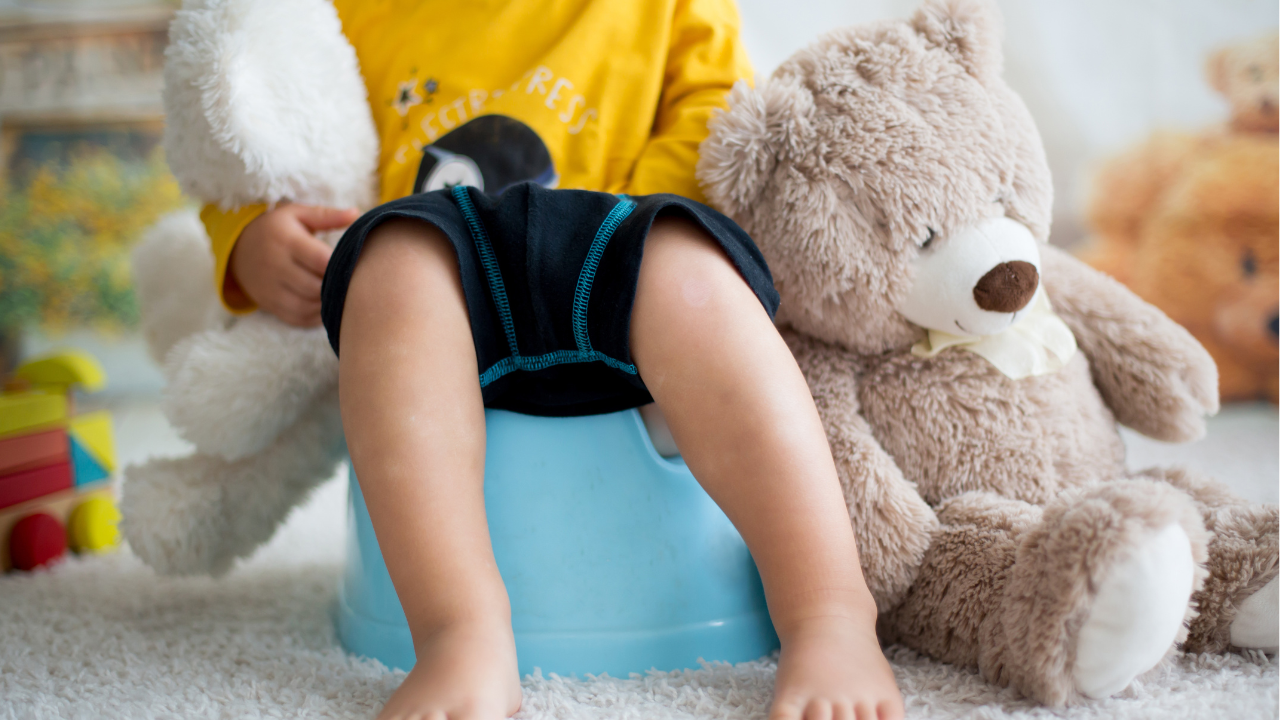
Your toddler will happily sit on the potty or toilet… but nothing happens.
You wait.
You encourage.
You try again later.
Still nothing.
Then five minutes later:
• they wee in their nappy
• have an accident on the floor
• or suddenly do a huge wee after getting off the toilet
It can feel confusing and frustrating, especially when they seem so close to getting it.
You might start wondering:
• Do they not understand what to do?
• Are they not ready?
• Should I have made them sit for longer?
• Am I doing something wrong?
But this is actually a very common stage of potty training.
Why Toddlers Sit but Don’t Wee
For many toddlers, sitting on the potty and actually releasing a wee are two completely separate skills.
Your toddler may already:
• understand the routine
• know where wees belong
• feel comfortable sitting
…but still not fully connect the feeling in their body with letting go on the toilet.
That connection takes time.
Especially for toddlers who have only ever weed in nappies before.
Why It Often Happens More in the Early Stages
When toddlers first start potty training, they’re learning:
• what the feeling of needing a wee feels like
• what happens when they release it
• how to relax enough to wee somewhere unfamiliar
Weeing in a nappy has felt automatic their whole life.
Using a potty or toilet feels different:
• different position
• different sensation
• different environment
So it’s very common for toddlers to hold on while sitting, then wee shortly afterwards when they feel relaxed again.
What Doesn’t Usually Help
When nothing is happening, it’s natural to:
• keep asking them to try
• encourage them to sit longer
• repeatedly ask “do you need a wee?”
But too much focus can accidentally create pressure.
Some toddlers become so aware that adults are waiting for a wee that they struggle to relax enough to let it happen.
What Helps Instead:
1. Keep toilet sits short
Long sits often create frustration.
For many toddlers, around 30 seconds is plenty.
The goal is familiarity, routine and comfort, not forcing a wee.
2. Focus on timing, not constant trying
Instead of asking all day long, focus on moments your toddler is naturally more likely to wee.
For example:
• after waking
• after a big drink
• before leaving the house
This helps the potty or toilet feel more successful naturally.
3. Reduce pressure and expectation
Sometimes simply stepping back slightly helps.
Toddlers often wee more easily when:
• distracted by a book or song
• given privacy
• feeling relaxed rather than observed
The calmer the atmosphere, the easier it is for their body to let go.
4. Build awareness outside the toilet too
A lot of potty training happens before the wee reaches the potty.
Helping your toddler notice:
• when they are weeing
• when their nappy needs changing
• what their body feels like
is just as important as sitting itself.
A Structured Approach Can Make This Feel Much Easier
This stage often feels confusing because parents assume:
• sitting = ready
• sitting = they should wee immediately
But potty training is actually a series of smaller skills building on top of each other.
That’s why some parents prefer a staged approach, like Potty Pros Academy, where awareness and routine are built first, before expecting full independence.
For many toddlers, once the foundations are in place, wees on the toilet begin to happen much more naturally.
A Reassuring Reminder
If your toddler sits but doesn’t wee, it does not mean potty training is failing.
In many cases, it’s actually a sign of progress:
• they’re comfortable sitting
• they understand the routine
• they’re learning the process
Now their body just needs time to connect the final piece.
FAQs
Why does my toddler only wee after getting off the potty?
This is very common.
Many toddlers are still learning how to relax enough to release a wee on the potty or toilet. Often they hold on while sitting, then wee once they feel more comfortable again.
Should I make my toddler sit longer?
Usually no.
Long sits can create frustration or pressure. Short, calm, consistent opportunities tend to work better than forcing long periods on the potty.
Does this mean my toddler isn’t ready?
Not necessarily.
If your toddler is happy to sit and engaging with the process, they are already learning important skills. Awareness and releasing a wee on the toilet often develop gradually.
Is a potty training course helpful for this stage?
Many parents find it reassuring to follow a clear step-by-step approach rather than trying to work things out as they go.
If you’d like a calm, staged method designed specifically for toddlers aged 18–24 months, you can explore Potty Pros Academy.
If You Haven’t Started Potty Training Yet..
A lot of these struggles become much smaller when toddlers build awareness before nappies come off.
When children already understand:
• body sensations
• routines
• what the toilet is for
…the transition becomes much smoother.
That’s exactly why I created my free guide: 5 Things to Do Before Starting Potty Training
It walks you through the simple steps that help your toddler feel confident and prepared before you begin.
Ready to get started?
Download my FREE guide on 5 Things You Can Do Before Potty Training.
These simple, practical tips will help you lay the groundwork — so when you do start potty training, the process is smoother, quicker, and less stressful for everyone.
Author