Should I Go Back a Stage in Potty Training?
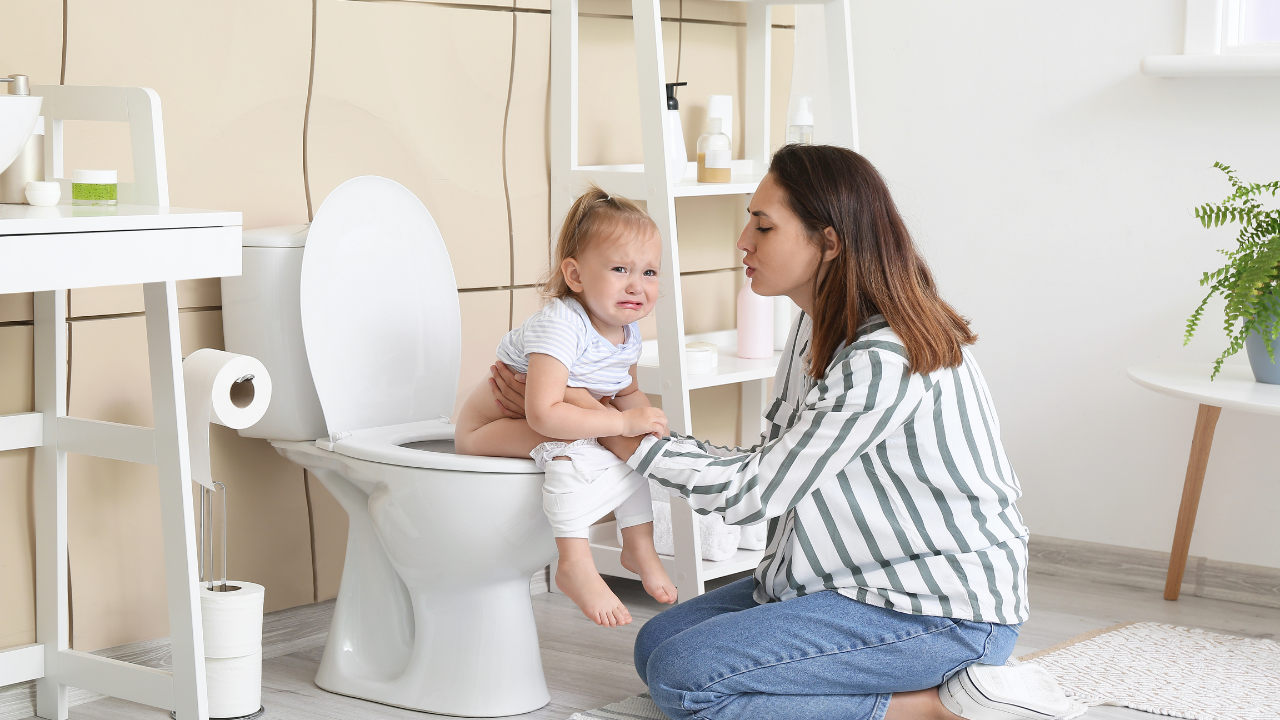
You thought things were going well… and then suddenly they weren’t.
Maybe your toddler:
• started having more accidents
• stopped wanting to use the toilet
• became upset or resistant
• seemed confident one week and completely stuck the next
And now you’re wondering:
“Should I go back a stage?”
“Will that confuse them?”
“Does this mean potty training is failing and they just aren't ready?”
First of all, this is much more common than you might think.
Potty training is not always a straight line from nappies to independence. Toddlers often move forwards, wobble slightly, then move forwards again.
Going back a stage is not “giving up.” Sometimes, it’s exactly what helps things move forward again.
Why Potty Training Sometimes Starts to Feel Harder
There are lots of reasons potty training can suddenly feel more difficult.
For example:
• moving through stages too quickly
• expectations increasing faster than confidence
• big life changes or disruption to routine including illness
• pressure building around accidents
• a toddler still developing awareness
Sometimes toddlers can technically do something, but don’t yet feel fully secure or confident with it.
That’s when you often start seeing:
• resistance
• frustration
• holding wees or poos
• frequent accidents
What “Going Back a Stage” Actually Means
Many parents imagine going backwards means stopping potty training completely and losing all progress.
But often, it’s much gentler than that.
Going back a stage simply means returning to the level where your toddler felt:
• calm
• confident
• successful
For example, that might mean:
• increasing support again
• slowing the process down
• rebuilding routine and awareness
• temporarily reducing expectations
The goal is not to undo learning, it’s to strengthen the foundations underneath it.
Why Slowing Down Can Actually Help Progress
Sometimes parents feel they need to “push through” difficulties because they worry stopping or slowing down will confuse their toddler.
But continuing when a child feels overwhelmed often creates:
• more pressure
• more resistance
• more frustration for everyone
In many cases, slowing things down actually helps progress happen faster overall.
Toddlers learn best when they feel safe, relaxed and capable. Not rushed.
Signs It Might Help to Go Back a Stage
Every child is different, but it may help to slow down or revisit an earlier stage if your toddler is:
• becoming very distressed around the toilet
• constantly resisting
• having frequent accidents with little awareness
• holding wees or poos
• becoming anxious after pressure or frustration
This doesn’t mean they “aren’t ready.”
Usually it means they need:
• more practice
• more consistency
• more confidence before moving on
What Not to Do
When potty training becomes difficult, it’s natural to:
• increase reminders
• keep asking them to try
• become more focused on accidents
But too much attention can sometimes increase pressure and make toddlers more resistant.
Instead, try to return to:
• calm routines
• predictable opportunities
• neutral reactions
• building awareness again
A Staged Approach Makes This Much Easier
One reason parents often panic at setbacks is because many potty training methods present the process as:
• all-or-nothing
• fast
• something that should be “done” quickly
But potty training is actually made up of many smaller skills developing over time.
That’s why some parents prefer a clear staged approach like Potty Pros Academy, where toddlers gradually build awareness, routine, and confidence before full independence is expected.
This makes it much easier to:
• slow down when needed
• support your child without pressure
• move forwards at a realistic pace
A Reassuring Reminder
Going back a stage does not mean you’ve failed.
In fact, many toddlers need periods of:
• slowing down
• consolidating skills
• rebuilding confidence
before everything clicks into place.
Progress in potty training is rarely perfectly linear and that’s completely normal.
FAQs
Will going back a stage confuse my toddler?
Usually no.
If done calmly and consistently, returning to an earlier stage often helps toddlers feel more secure and confident, rather than confused.
Does going backwards mean my toddler isn’t ready?
Not necessarily.
It often simply means they need more time to strengthen certain skills, such as awareness, routine, or confidence.
Should I put nappies back on?
This depends on the situation and the stage your toddler is at.
Sometimes reducing pressure or slowing the process helps more than fully stopping. The key is understanding why things are becoming difficult.
Is a staged potty training approach better?
Many parents find a staged approach feels calmer and more manageable because it allows toddlers to gradually build skills over time rather than rushing straight to independence.
If you’d like to explore a calm, step-by-step method designed for toddlers aged 18–24 months, you can learn more about Potty Pros Academy here.
If You Haven’t Started Yet (Or Want It to Feel Easier)
Many potty training struggles happen when toddlers are moved through the process before the foundations feel secure.
When awareness, routine, and confidence are built gradually first, setbacks often feel much smaller and easier to navigate.
That’s exactly why I created my free guide: 5 Things to Do Before Starting Potty Training
It walks you through the simple steps that help your toddler feel more prepared before nappies come off.
Ready to get started?
Download my FREE guide on 5 Things You Can Do Before Potty Training.
These simple, practical tips will help you lay the groundwork — so when you do start potty training, the process is smoother, quicker, and less stressful for everyone.
Author