Pull-Ups vs Underwear for Potty Training: Which is Better?
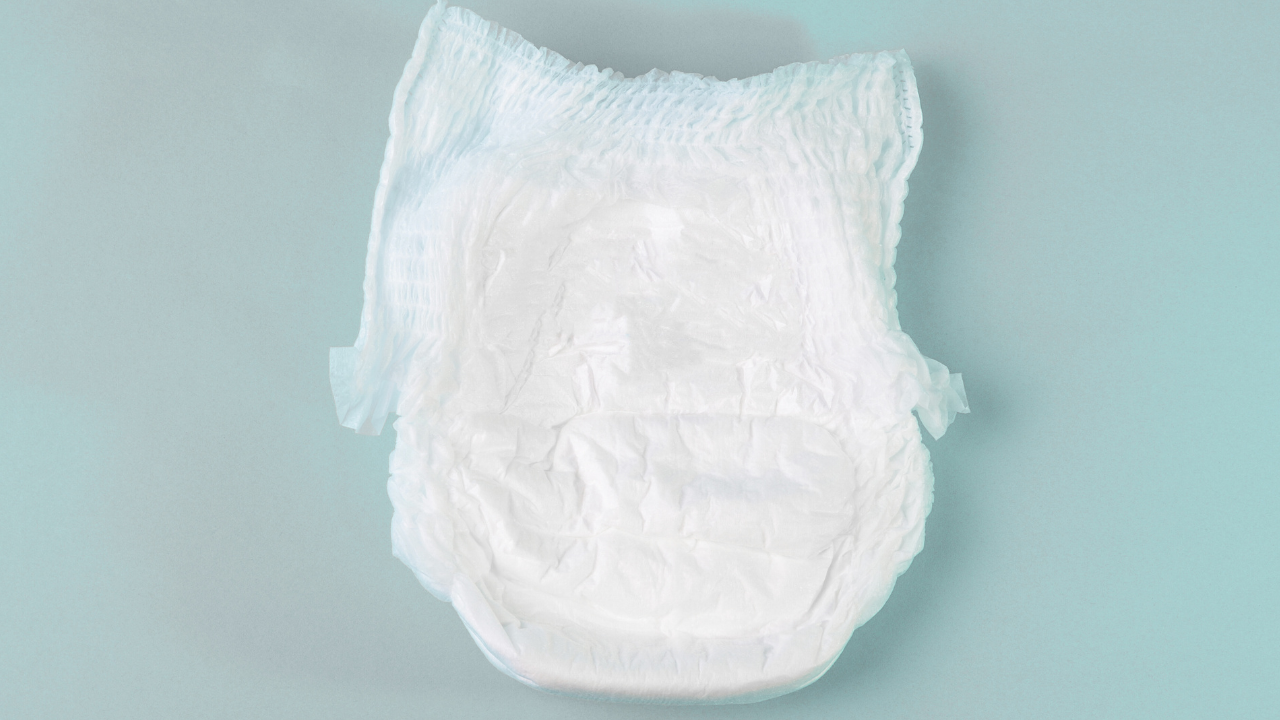
When you’re thinking about potty training, one of the biggest questions is what your toddler should wear.
Should you use pull-ups?
Are they helpful?
Or do they actually slow things down?
Many parents wonder whether pull-ups help or hinder potty training. It’s a common question, especially when deciding between pull-ups vs underwear during the transition out of nappies.
For many families it can be confusing knowing what to choose because pull-ups are marketed as the perfect “in-between” solution - not quite a nappy, not quite underwear. But for many families, they end up extending potty training rather than simplifying it.
Why This Question Feels So Big
Pull-ups feel reassuring. They promise:
-
Fewer messes
-
More convenience
-
A gentler transition
-
Less stress
And when you’re nervous about accidents, that can feel like a lifeline.
But what often happens instead is this:
-
Toddlers continue weeing as if they’re still in nappies
-
Awareness takes longer to develop
-
Progress feels slow
-
Parents feel stuck in an “almost there” phase
Instead of moving forward, everything plateaus. Many parents assume pull-ups are part of the potty training process, but in reality, they often keep toddlers in the same habits as nappies.
Do Pull-Ups Delay Potty Training?
Potty training relies heavily on one thing:
Your toddler noticing when they are weeing.
Nappies and pull-ups are designed to keep children feeling completely dry. That’s brilliant for infancy, but not ideal for body awareness.
If a toddler wees in a pull-up and feels comfortable, there’s no real feedback loop. The sensation disappears quickly, and the opportunity to connect “I need to go” with “I use the toilet” is missed.
Underwear, on the other hand, feels different when wet. That difference helps toddlers:
-
Recognise what’s happening
-
Make the connection between body sensation and outcome
-
Adjust behaviour more quickly
It’s not about punishment or discomfort - it’s about awareness.
Why Pull-Ups Can Create Mixed Messages
One of the biggest challenges with pull-ups is that they often blur the lines.
If your toddler:
-
Wears pull-ups at nursery
-
Wears underwear at home
-
Uses pull-ups for outings
-
Switches between nappies and pull-ups
…it becomes harder for them to understand what’s expected.
Consistency is one of the biggest drivers of successful potty training. When the message changes depending on location or time of day, it can slow progress.
When Pull-Ups Might Have a Role
There are situations where pull-ups can be useful:
-
During sleep
-
Long car journeys
-
Illness
-
Temporary setbacks
But using them as the main daytime strategy often keeps toddlers in the “nappy mindset.”
If the goal is independence, clarity usually works better than compromise.
What Often Works Better
Instead of relying on pull-ups as the transition, many families find more success when they:
-
Build awareness before nappies come off
-
Move clearly from nappies → underwear
-
Accept a short adjustment period
-
Stay consistent with expectations
Yes, there may be accidents in the early days, that’s normal and an expected part of learning. Clear, consistent approaches tend to feel harder at the beginning, but much easier in the long run.
Want to Skip the “In-Between” Stage?
Many parents rely on pull-ups because they don’t feel confident removing nappies completely.
Inside my Potty Pros potty training course, I show you how to build your toddler’s awareness and routine first, so when you move to underwear, it feels clear, calm, and much more successful.
👉 Explore the Potty Pros Academy course here
FAQs About Pull-Ups and Potty Training
Do pull-ups slow down potty training?
For many toddlers, yes. Because they feel similar to nappies, they can delay the development of awareness and independence.
Should I use pull-ups or underwear for potty training?
Underwear helps toddlers learn faster, as it provides clearer feedback and supports awareness. Pull-ups on the other hand feel exactly like a nappy to your toddler and work in the same way so shouldn't be used for daytime potty training.
When are pull-ups useful during potty training?
Pull-ups can be helpful for sleep, long journeys, or temporary situations, but are usually less effective as a main daytime approach.
If You Haven’t Started Yet
If you’re still in the preparation stage, this is exactly why laying foundations before removing nappies matters so much.
When toddlers understand their body cues and routines before underwear is introduced, the move away from nappies (and pull-ups) becomes much smoother.
That’s why I created my free guide:
“5 Things to Do Before Starting Potty Training.”
It helps you build awareness and confidence first, so when you make the switch, you don’t feel tempted to rely on pull-ups as a safety net.
Ready to get started?
Download my FREE guide on 5 Things You Can Do Before Potty Training.
These simple, practical tips will help you lay the groundwork — so when you do start potty training, the process is smoother, quicker, and less stressful for everyone.
Author