Pull-Ups vs Nappies: What's the Difference?
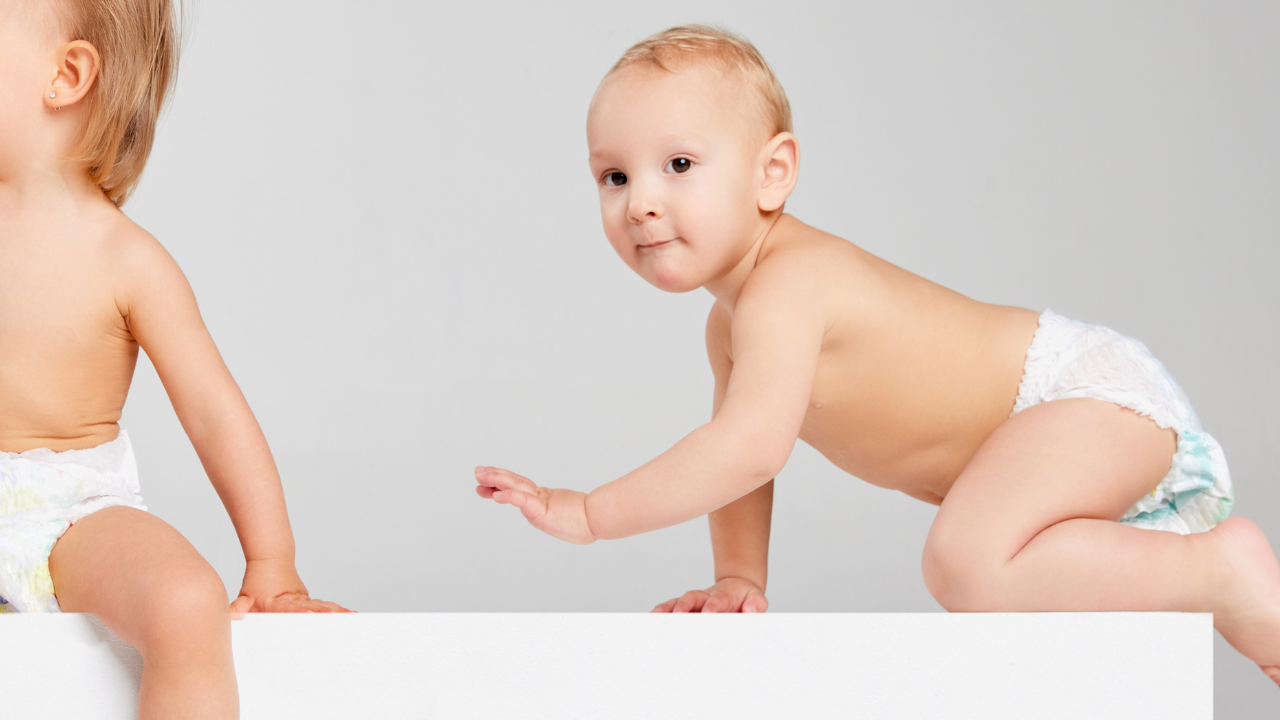
If you've started researching potty training, you've probably come across pull-ups.
Many parents assume pull-ups are an important step between nappies and underwear. In fact, some parents worry they're missing a crucial part of the potty training process if they don't use them.
But are pull-ups really different from nappies?
And do you actually need them to potty train your child?
The answer may surprise you.
What Is a Pull-Up?
A pull-up is essentially a nappy that pulls up and down like underwear.
Like a nappy, a pull-up:
• absorbs wee
• contains poo
• keeps your child dry
• is designed to prevent leaks
The main difference is that instead of fastening with tabs at the sides, it is pulled up and down over your child's legs.
That's why many parents describe them as simply a nappy without tabs.
Why Are Pull-Ups Marketed for Potty Training?
Pull-ups are often marketed as a potty training product because they look more like underwear.
The idea is that children can:
• pull them up and down independently
• practise dressing skills
• feel more grown up
This can make them appealing to parents who want a gradual transition away from nappies.
But looking more like underwear doesn't necessarily mean they work differently from a potty training perspective.
Do Pull-Ups Help Potty Training?
Not usually.
One of the most important parts of potty training is helping your toddler become aware of when they are weeing.
Pull-ups can make this harder because they are designed to absorb wee and keep children feeling dry, just like a nappy.
If a child wees in a pull-up, they often experience:
• the same feeling they experience in a nappy
• the same level of comfort
• the same lack of awareness
For this reason, simply switching from nappies to pull-ups doesn't automatically help a child learn to use the toilet.
Why Some Parents Get Stuck with Pull-Ups
A common pattern looks like this:
• nappies
• pull-ups
• more pull-ups
• more pull-ups
• eventually underwear
The problem is that many toddlers don't see pull-ups as anything different from a nappy.
As a result, parents may spend months using pull-ups without seeing any real progress towards toilet learning.
When Can Pull-Ups Be Useful?
This doesn't mean pull-ups are always a bad idea.
There are situations where they can be genuinely useful.
For example, if you have an older child who still needs an overnight nappy, pull-ups can help them become more independent. They can put them on and take them off themselves, and many children feel they are less "babyish" than a traditional nappy.
Pull-ups can also be useful if you're following the Potty Pros Academy method.
During Stages 1 and 2, when you're introducing regular toilet sits while your child is still wearing a nappy, pull-ups can make it much easier to get clothing up and down quickly compared to a nappy with tabs.
In these situations, pull-ups can be a practical tool.
The key is understanding that they are primarily a convenience and independence tool, rather than something that actively teaches a child to use the toilet.
Do You Need Pull-Ups Before Underwear?
No.
Many children move directly from nappies to underwear without using pull-ups at all.
In fact, some parents find this transition easier because underwear provides clearer feedback when accidents happen.
When children can feel that they've had an accident, awareness often develops more quickly.
What About Potty Training Pants?
Parents often confuse:
• pull-ups
• potty training pants
• underwear
These are actually three different products.
Potty training pants are designed to absorb small dribbles while still allowing children to feel wetness.
Pull-ups, on the other hand, are much closer to nappies in how they function. If you're unsure whether potty training pants are worth using, I've written a separate blog post comparing training pants and underwear - "Training Pants vs Underwear: Which is Better for Potty Training?"
A Structured Approach Can Make This Simpler
One reason parents become confused about products like pull-ups is that potty training is often presented as a series of purchases:
• buy the potty
• buy the pull-ups
• buy the training pants
But successful potty training is usually less about products and more about developing skills.
That's why some parents prefer a staged approach such as Potty Pros Academy, which focuses on building awareness, routines, and confidence rather than purchasing unnecessary products.
A Reassuring Reminder
If you've already bought pull-ups, don't panic.
They won't ruin potty training.
But it's helpful to understand what they are and what they aren't.
Pull-ups are simply a different style of nappy.
They may be useful in certain situations, but they are not an essential step on the journey from nappies to underwear.
FAQs
Are pull-ups better than nappies?
Not necessarily.
For potty training purposes, pull-ups and nappies work very similarly. The main difference is how they are put on and taken off.
Do toddlers need pull-ups to potty train?
No.
Many children potty train successfully without ever using pull-ups.
What's the difference between pull-ups and nappies?
A pull-up is essentially a nappy that pulls up and down like underwear instead of fastening with side tabs.
Will pull-ups delay potty training?
Not always, but because they absorb wee and keep children feeling dry, they don't usually increase awareness in the way many parents expect.
Is a potty training course helpful if I'm confused about pull-ups and other products?
Many parents find it helpful to follow a structured plan rather than trying to navigate conflicting advice online.
If you'd like a calm, staged potty training approach designed specifically for toddlers aged 18–24 months, you can learn more about Potty Pros Academy here.
If You Haven't Started Yet (Or Want It to Feel Easier)
Many parents spend a lot of time worrying about which products they need for potty training.
In reality, the most important foundations are awareness, routine, and confidence.
That's exactly why I created my free guide: 5 Things to Do Before Starting Potty Training.
It walks you through the simple steps that help your toddler build the skills needed for successful potty training before nappies come off.
Ready to get started?
Download my FREE guide on 5 Things You Can Do Before Potty Training.
These simple, practical tips will help you lay the groundwork — so when you do start potty training, the process is smoother, quicker, and less stressful for everyone.
Author