
Potty Training at Nursery or Daycare: What to Do If It’s Not Working
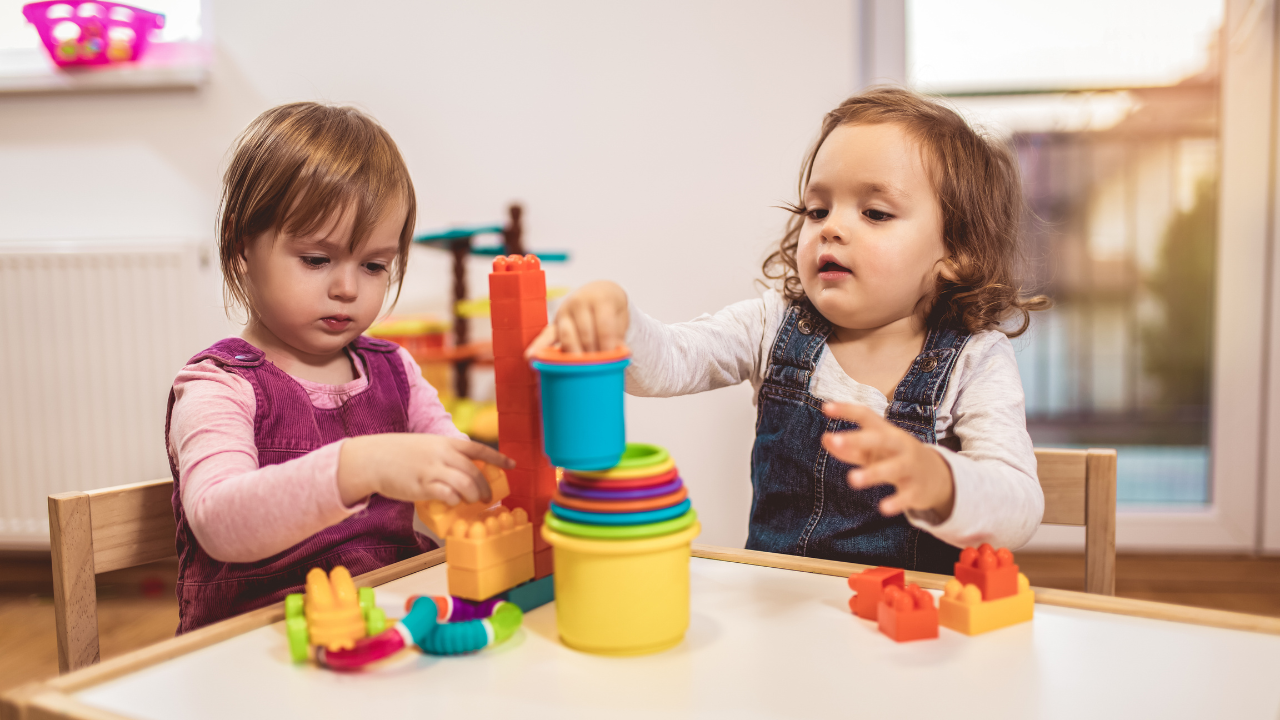
You’ve started potty training at home, things are going fairly well… and then when they return to childcare it throws everything off.
Your toddler might:
- wear nappies at their childcare but underwear at home
- have lots of accidents there but none at home
- refuse to use the toilet at their childcare altogether
- seem confused by the different expectations
And suddenly you’re thinking:
“Are we doing something wrong?”
“Should I stop and wait?”
“Is their childcare ruining everything they've learnt at home?”
It can feel frustrating, especially when progress at home doesn’t match what’s happening while they are at their childcare.
But this is a very common part of potty training.
Why Potty Training Can Feel Harder at Nursery or Daycare
Potty training in a nursery or daycare setting is very different to being at home.
In childcare, your toddler is:
- in a busier environment
- surrounded by other children
- following group routines
- cared for by different adults
This can make it harder for them to:
- notice their body signals
- feel confident using a new toilet
- stay consistent with what they’ve learned at home
It’s not that they can’t do it, it’s that the environment is different.
The Biggest Issue: Inconsistency
One of the main reasons potty training feels like it’s “not working” is inconsistency between home and at childcare.
For example:
- underwear at home, nappies at nursery/daycare
- different routines
- different expectations
- different language being used
From your toddler’s perspective, the message becomes unclear.
👉 “Sometimes I use the toilet… sometimes I don’t need to.”
And when that happens, progress can slow down.
Should You Use Nappies at Nursery or Daycare?
This is one of the most common questions.
Sometimes nurseries or daycares:
- require nappies until a child is “fully trained”
- don't allow underwear until your child has moved up to a different class or room
- prefer pull-ups for convenience
- are cautious about accidents
While this is understandable from their side, it can:
- delay awareness
- keep your toddler in a “nappy habit”
- make it harder to build consistency
That said, it doesn’t mean you have to stop completely.
Instead, it’s about working with the situation, not against it.
What Helps When It’s Not Working
You don’t need everything to be perfect for progress to happen.
Here’s what tends to make the biggest difference:
1. Keep things consistent at home
Home is where your toddler builds most of their understanding.
Even if their childcare is different, staying consistent at home helps:
- reinforce routines
- build awareness
- strengthen the habit
2. Keep communication simple
You don’t need their childcare to follow an identical plan.
But it helps to share:
- the language you use
- how your react to accidents
- key routine times
- what your toddler is currently doing or still needs help with
This keeps things similar enough without needing full alignment.
3. Accept that progress may look different in each place
It’s very common for toddlers to:
- be more confident at home
- take longer to adjust at nursery/daycare
This doesn’t mean it isn’t working.
It just means they’re learning to apply the skill in a new environment.
4. Focus on overall progress, not perfection
Instead of expecting, “dry everywhere immediately”
Look for:
- gradual improvement
- increasing awareness
- growing confidence over time
A More Structured Approach Can Help
If you’re finding childcare is making things feel inconsistent or unpredictable, having a clear plan at home can make a big difference.
Some parents choose to follow a structured, staged approach, like Potty Pros Academy, so their toddler builds strong awareness and routines first, making it easier to carry those skills into different environments like nursery.
When to Pause (and When Not To)
If your toddler is:
- very distressed
- constantly having accidents with no awareness
- strongly resisting the process
…it may be worth pausing and returning to preparation.
But if:
- things are going well at home
- there is some progress
- they are learning gradually
…it’s usually better to continue.
A Reassuring Reminder
Potty training doesn’t have to look perfect across every setting straight away.
It’s a skill your toddler is learning and like any skill, it takes time to apply it in different environments.
What matters most is:
✔ calm consistency
✔ clear expectations
✔ steady progress
FAQs
What should my toddler wear to nursery during potty training?
This depends on the childcare policy, but generally:
- underwear supports awareness
- nappies or pull-ups may be used if required
The most important thing is consistency where possible, especially at home.
Should I stop potty training if their childcare isn’t following the same approach?
Not necessarily.
If your toddler is making progress at home, it’s often worth continuing. Many children take longer to adjust to nursery or daycare but catch up over time.
Is it normal for my toddler to have more accidents at nursery/daycare than at home?
Yes, this is very common.
Childcare environments are busier and more distracting, which can make it harder for toddlers to notice their body signals at first.
Is a potty training course helpful when nursery is involved?
For many parents, having a clear, structured plan at home makes navigating nursery much easier.
If you’re looking for a calm, staged approach designed for toddlers aged 18–24 months, you can explore Potty Pros Academy here: Potty Pros Academy.
If You Haven’t Started Yet..
Many of the challenges with nursery or childcare come from starting potty training without strong foundations in place first.
When your toddler already understands their body and the routine before nappies come off, they’re much more able to handle different environments.
That’s exactly why I created my free guide: 5 Things to Do Before Starting Potty Training.
It walks you through how to build awareness, routine, and confidence before you begin, so potty training feels smoother both at home and at their childcare.
Ready to get started?
Download my FREE guide on 5 Things You Can Do Before Potty Training.
These simple, practical tips will help you lay the groundwork — so when you do start potty training, the process is smoother, quicker, and less stressful for everyone.
Author