Potty Training Before 2: Pros and Cons
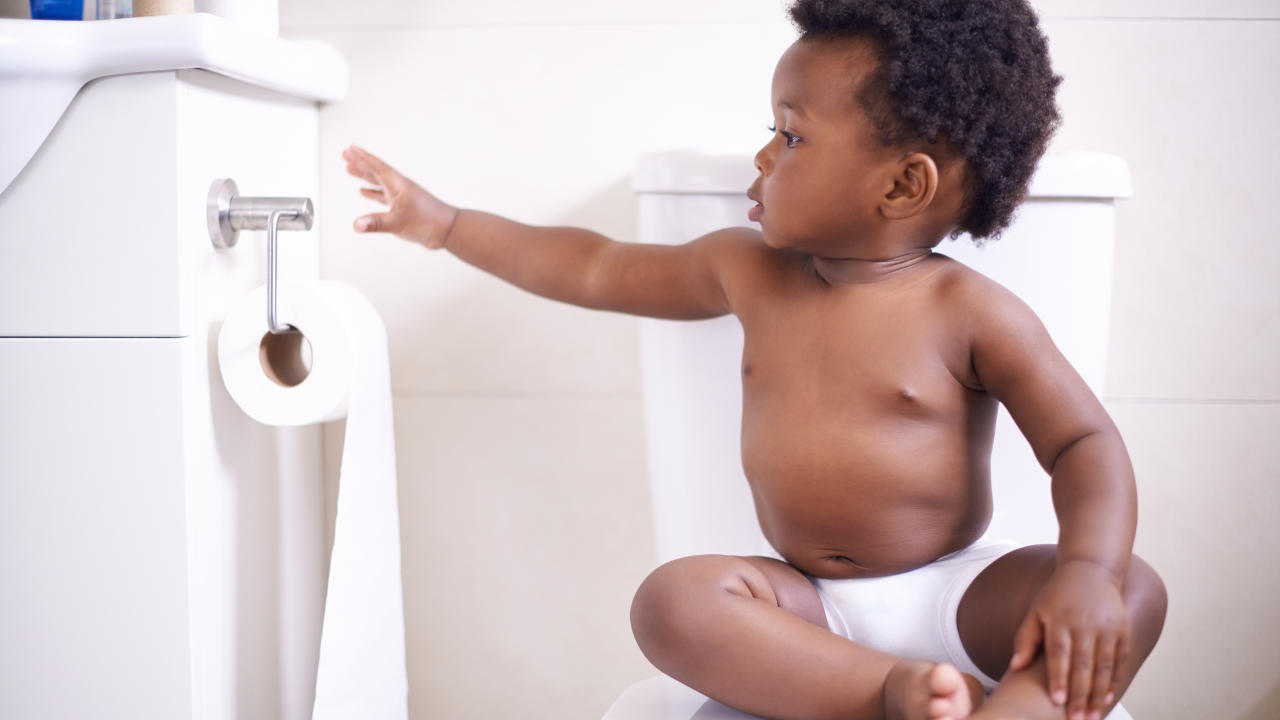
If you've ever mentioned potty training before your toddler turns 2, you've probably received mixed reactions.
Some people think it's far too early.
Others believe it's the perfect time to start.
With so much conflicting advice, it's understandable that many parents wonder whether starting before 2 is a good idea or whether they should wait.
The truth is, potty training before 2 isn't about rushing your child.
It's about understanding what potty training actually is.
What Does "Potty Training Before 2" Mean?
One of the biggest misconceptions is that starting potty training before 2 means expecting your toddler to become fully toilet trained within a few days.
It doesn't.
For many families, starting before 2 simply means beginning the learning process.
That might include:
• introducing the toilet
• building toilet routines
• developing body awareness
• helping your toddler become familiar with wees and poos
• gradually building confidence
These are all important potty training skills that can develop long before a child is expected to stay dry all day.
The Pros of Starting Before 2
Your toddler has time to learn gradually
One of the biggest advantages of starting before 2 is that there's no pressure to rush.
Rather than expecting your toddler to learn lots of new skills in one weekend, they have time to build those skills step by step.
Many parents find this feels calmer for both themselves and their child.
Toilet routines become part of everyday life
Young toddlers are naturally learning routines every day.
Introducing regular toilet sits can simply become another part of daily life, alongside brushing teeth or washing hands.
The toilet becomes familiar rather than something completely new.
You can build awareness before nappies come off
Helping your toddler notice when they're having a wee or poo is one of the most valuable skills in potty training.
Starting before 2 gives plenty of opportunity to build that awareness before expecting your child to use the toilet independently.
There's often less pressure
When parents start earlier, there is usually less urgency to "get it finished."
That means there is more time to:
• slow down if needed
• build confidence
• work through small challenges
• let learning happen naturally
The Cons of Starting Before 2
You need realistic expectations
A younger toddler is still developing lots of skills.
If you expect them to recognise every urge, stay dry all day and become independent immediately, both of you are likely to become frustrated.
The focus should be on gradually learning, not perfection.
The process may look different
One of the biggest differences with starting before 2 is when the learning happens.
Many families who start potty training at 2½ or 3 using a 3 day method may only spend three days 'potty training', but the learning often continues for weeks or even months afterwards.
For example, their toddler may still be learning to:
• recognise when they need a wee and to tell an adult
• poo on the toilet instead of using a nappy
• stay dry on outings or at childcare
In other words, the nappies may have come off quickly, but many of the potty training skills are still developing.
A gradual approach simply shifts much of that learning to before the nappies come off.
Instead of expecting your toddler to learn everything once they're in underwear, you spend time building awareness, routines and confidence while they're still wearing nappies.
This means that when you do reach the stage of removing nappies, many children already understand what the toilet is for, are familiar with the routine and have begun developing the skills they'll need.
So although the preparation stage may take longer, many parents find the final transition from nappies to underwear feels smoother and more straightforward because so much of the learning has already happened.
Does Starting Earlier Mean Finishing Earlier?
Not necessarily.
Every child develops at their own pace.
Starting before 2 doesn't guarantee your child will become toilet trained before another child who starts later.
The benefit is often that the journey feels calmer because skills are introduced gradually rather than all at once.
Is Starting Before 2 Right for Every Child?
Not always.
Every child is different, and some children with additional needs or specific medical circumstances may benefit from a different approach.
The important thing is not choosing a particular age simply because someone else recommends it.
Instead, choose an approach that matches your child's stage of development and allows skills to build gradually over time.
A Structured Approach Makes Starting Before 2 Feel Much Less Daunting
Many parents worry that starting before 2 means expecting too much from a young toddler.
But it doesn't have to.
That's why some parents choose a staged approach such as Potty Pros Academy, where the early stages focus on building awareness, routines and confidence while expectations remain age appropriate.
Instead of trying to achieve everything at once, your toddler learns one skill at a time.
FAQs
Is 18 months too early to start potty training?
For many toddlers, no.
Updated UK guidance now recognises that the majority of children can begin potty training from around 18 months, unless they have additional needs or circumstances that mean a different approach is more appropriate.
The key is matching your expectations to your child's stage of development.
Is potty training before 2 recommended?
Many families successfully begin potty training before 2 using a gradual approach.
Rather than aiming for immediate independence, the focus is on building awareness, routines and confidence over time.
Will potty training before 2 take longer?
Not necessarily.
You may spend longer preparing before nappies come off, but many families find the final transition is smoother because their toddler has already developed important skills.
Does the Potty Pros Academy support potty training before 2?
Yes.
The Potty Pros Academy is specifically designed for toddlers aged 18–24 months and uses a gradual, staged approach that focuses on preparation before independence.
If You Haven't Started Yet (Or Want It to Feel Easier)
Starting before 2 doesn't have to mean rushing your toddler.
In fact, many parents find it feels much calmer because they're introducing potty training gradually instead of expecting everything to happen at once.
That's exactly why I created my free guide: 5 Things to Do Before Starting Potty Training.
It walks you through the simple steps that help your toddler build awareness, confidence and routines before nappies come off.
Ready to get started?
Download my FREE guide on 5 Things You Can Do Before Potty Training.
These simple, practical tips will help you lay the groundwork — so when you do start potty training, the process is smoother, quicker, and less stressful for everyone.
Author