
Potty Training Accidents: What’s Normal (and When to Worry)
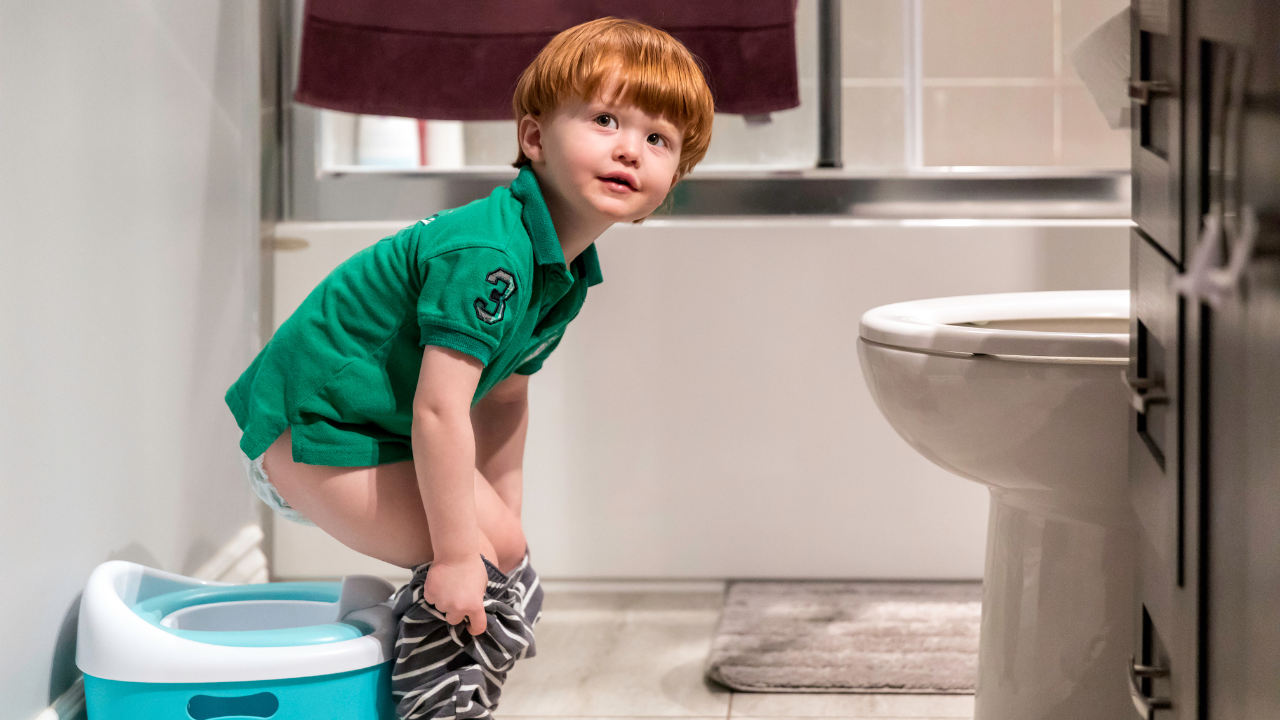
If you’re potty training your toddler and dealing with accidents, you’re not alone. For many parents, accidents are the part that can cause the most worry. You might start asking yourself whether you’ve started too early, done something wrong, or should stop altogether.
Accidents can feel discouraging, especially if nappies have already come off and you expected things to move quickly from there. But the truth is, accidents are a normal part of learning. What matters is how often they’re happening, when they’re happening, and whether progress is moving forward overall.
Potty training accidents are one of the most common concerns parents have, especially in the early stages. Understanding what’s normal during toddler potty training can help you stay calm and avoid second-guessing your approach.
Why Accidents Are a Normal Part of Potty Training
Potty training isn’t just a physical skill, it’s a combination of body awareness, timing, confidence, and routine. Even when a child understands what the toilet is for, it takes time for all of those pieces to come together.
Accidents are often your toddler’s way of:
-
Learning how their body feels before they need to go
-
Adjusting to new sensations without a nappy
-
Managing distractions while playing
-
Practising a completely new routine
An accident doesn’t mean potty training has failed. It simply means your child is still learning.
What’s Normal at Different Stages
Accidents look different depending on where you are in the process.
In the early days after nappies are removed, accidents are very common. This is your toddler’s adjustment period. Wees may come suddenly, and they may not always make it to the toilet in time. What you want to see here is awareness beginning to build, even if they only realise after they’ve gone.
As confidence grows, accidents should start to reduce. Wees become more predictable, and your toddler may begin to pause, stop, or seek help. At this stage, accidents are occasional rather than constant.
Long-term, accidents should be the exception, not the norm. They may still happen during illness, tiredness, big changes, or exciting outings and that’s expected.
What’s important isn’t perfection, but direction. Progress should be moving forward over time, not staying stuck in the same place for weeks.
Many parents assume a lot of accidents mean their child isn’t ready, but more often, it means the process has been rushed or the foundations weren’t fully in place yet.
When Accidents Might Be a Sign to Pause (Not Push)
Sometimes accidents are a sign that something needs adjusting - not that your child isn’t capable.
It may be worth slowing down or revisiting foundations if:
-
Accidents are happening very frequently with no improvement
-
Your toddler shows no awareness before or after weeing
-
Toileting has become a source of distress or resistance
-
You’re finding yourself constantly prompting or chasing
In these cases, pushing harder rarely helps. Accidents don’t reduce through pressure - they reduce through confidence, understanding, and preparation.
What Often Makes Accidents Worse
Well-meaning responses can sometimes make accidents more frequent.
Things that tend to backfire include:
-
Rushing through the process
-
Reacting emotionally to accidents
-
Constant prompting instead of letting awareness build
-
Switching between nappies and underwear inconsistently
-
Expecting dry days before foundations are in place
These approaches can confuse your toddler or make them anxious, both of which increase accidents rather than reduce them.
What Actually Helps Reduce Accidents Over Time
Accidents decrease when your toddler:
-
Understands what their body feels like before they go
-
Feels calm and supported, not watched or pressured
-
Has a predictable routine around toileting
-
Has had time to build awareness before nappies are removed
When potty training is approached gradually, accidents don’t disappear overnight, but they reduce steadily and predictably.
Want to Reduce Accidents Before You Start?
Many of the accidents parents struggle with come from starting too quickly, before awareness and routine are fully in place.
Inside the Potty Pros Academy potty training course, I teach a gradual, step-by-step method designed to reduce accidents by building the right foundations first, so your toddler feels confident before nappies come off.
👉 Explore the Potty Pros course here
FAQs About Potty Training Accidents
How many accidents are normal during potty training?
In the early stages, accidents can happen frequently as your toddler learns. Over time, they should gradually reduce as awareness and routine improve.
Do accidents mean my child isn’t ready?
Not necessarily. Accidents are part of learning. Frequent accidents with no progress may indicate the need to slow down and build stronger foundations.
Should I go back to nappies if there are lots of accidents?
Switching back and forth can be confusing. Instead, it’s often more helpful to adjust your approach and support your child’s understanding and confidence.
If You Haven’t Started Yet (Or Want a Smoother Start)
If you’re still in the research phase or you haven’t started potty training yet, this is where preparation really matters.
Many of the accidents parents struggle with later can be reduced by laying the right foundations before nappies come off. Building awareness, familiarity, and confidence early makes the transition far smoother.
That’s exactly what I cover in my free guide, “5 Things to Do Before Starting Potty Training.”
It walks you through the simple steps that help reduce stress, resistance, and accidents later on.
Ready to get started?
Download my FREE guide on 5 Things You Can Do Before Potty Training.
These simple, practical tips will help you lay the groundwork — so when you do start potty training, the process is smoother, quicker, and less stressful for everyone.
Author