
Leaving the House After Potty Training (How to Avoid Accidents)
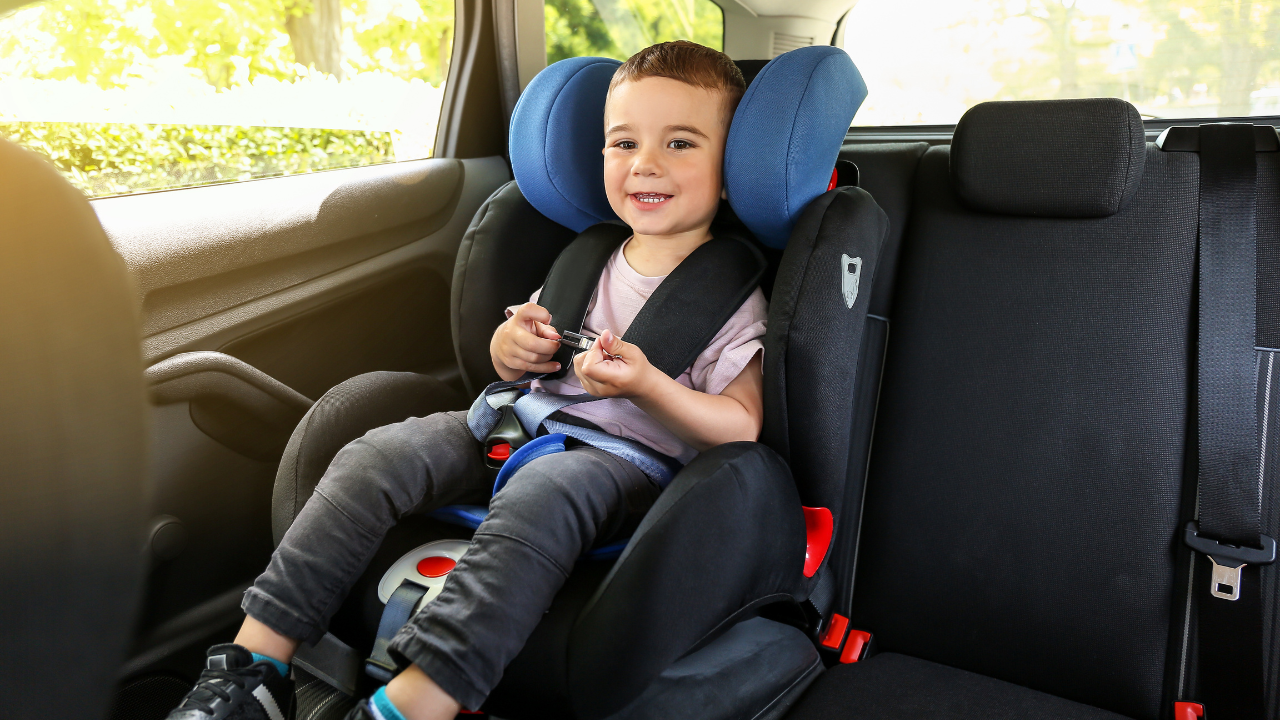
One of the biggest worries parents have after potty training is leaving the house. At home, everything feels manageable - the toilet is nearby, routines are familiar, and accidents feel easier to handle. But the thought of outings, car journeys, shops, or playdates can suddenly feel overwhelming.
You might find yourself asking:
-
What if they have an accident while we’re out?
-
What if there’s no toilet nearby?
-
Should I put a nappy back on just in case?
This fear can quietly keep families housebound far longer than necessary, even when potty training is going well.
Leaving the house during potty training is one of the biggest transitions for parents. Whether you're dealing with toddler accidents out of the house or wondering how to manage potty training on outings, this stage can feel like a big step.
Why Leaving the House Feels So Hard
After potty training, your toddler is still learning to manage new situations. Being out of the house adds lots of extra challenges:
-
Distractions that make it harder to notice body cues
-
Unfamiliar toilets
-
Delays getting to the toilet in time
-
A parent feeling anxious (which toddlers often pick up on)
It’s completely normal to feel nervous - but staying home too long can actually slow confidence, both for you and your child.
Start Small and Build Up
You don’t need to jump straight into a full day out. Start with short, predictable outings:
-
A quick walk around the block
-
A short car journey
-
A visit to a familiar place, such as a friend or family members home
These small trips help your toddler practise using their new skills outside the home, without overwhelming them.
Go to the Toilet Before You Leave
This sounds obvious, but it’s one of the most effective habits you can build. Make using the toilet part of your leaving-the-house routine, just like putting on shoes or grabbing keys.
Avoid asking if they need to go - instead, calmly state:
“It’s time to use the toilet before we go out.”
If they don't manage to go for a wee before you leave, try to remember what time they last used the toilet. Most toddlers will need to go again within 1.5–2 hours, so it’s helpful to plan ahead when you’re out.
Dress for Success
Clothing matters when you’re out. Choose:
-
Easy pull-down trousers or leggings
-
Elastic waistbands
-
Avoid dungarees
The easier it is for your toddler to manage their clothes, the more confident they’ll feel when they need to go.
Expect Accidents (and Stay Calm)
Accidents outside the house are normal, especially in the early days. They don’t mean potty training has failed.
Pack a small change bag with:
-
Spare clothes
-
Wipes
-
A wet bag
If an accident happens, stay calm and matter-of-fact. The less emotional weight it carries, the quicker your toddler regains confidence.
Avoid Going Back to Nappies
It can be tempting to use a nappy or pull-up “just for outings,” but this often sends mixed signals and can slow progress.
If your toddler was ready to be nappy-free at home, they’re capable of learning to manage outings too, with support and preparation.
Remind your child that there are toilets they can use whilst they are away from home - some children don't realise there are toilets at places such as the supermarket or think they need to hold it until getting home.
If the place you are visiting does not have access to a toilet (such as the park) you'll need to plan for how they'll go for a wee in this situation. My favourite tool in these situations is the Whizzer - a portable toilet small enough to fit in your bag. Use the affiliate code 'ESTHERALLEN' for 10% off your purchase.
If they haven't been to the toilet in a while and you think they may need to go, then take them to the toilet with you. You can go to the toilet and show them that it's okay to use the toilet whilst out and it may prompt them to ask to go as well.
Before you leave to go home, it's a good idea to take them to the toilet again in the same way you did before leaving home to avoid the "I need a wee!" request 5 minutes into your journey back home.
Many parents assume accidents on outings are a sign their toddler isn’t ready, but in reality, it’s just a new environment to practice a skill they’re still learning.
Confidence Comes With Practice
The more opportunities your toddler has to practise being out and about, the easier it becomes. Each successful outing builds confidence, for both of you.
Leaving the house after potty training isn’t about perfection. It’s about learning together, one trip at a time.
Want a Smoother Start With Potty Training?
If leaving the house feels stressful, it’s often because the foundations weren’t fully in place before nappies were removed.
Inside my Potty Pros Academy potty training course, I teach a gradual, step-by-step approach that helps your toddler build confidence before this stage, making outings, accidents, and transitions much easier to manage.
👉 Explore the Potty Pros course here
FAQs About Potty Training and Leaving the House
How soon can I take my toddler out after potty training?
You can start with short outings straight away, as long as you keep expectations low and support them with routines like using the toilet before leaving.
What if my toddler has accidents when we’re out?
Accidents are completely normal during potty training, especially in new environments. Stay calm and treat them as part of the learning process.
Should I use nappies for outings during potty training?
Using nappies “just in case” can slow progress, as it sends mixed signals. It’s better to support your toddler in learning how to manage outings without them.
If You’re Still Preparing
If you haven’t started potty training yet - or you’re still building confidence before removing nappies, preparation makes a huge difference.
My free guide, “5 Things to Do Before Starting Potty Training,” walks you through the simple steps that help reduce stress, accidents, and anxiety later on, especially when it comes to outings.
Ready to get started?
Download my FREE guide on 5 Things You Can Do Before Potty Training.
These simple, practical tips will help you lay the groundwork — so when you do start potty training, the process is smoother, quicker, and less stressful for everyone.
Author