How to Start Potty Training (Step-by-Step Guide for Toddlers)
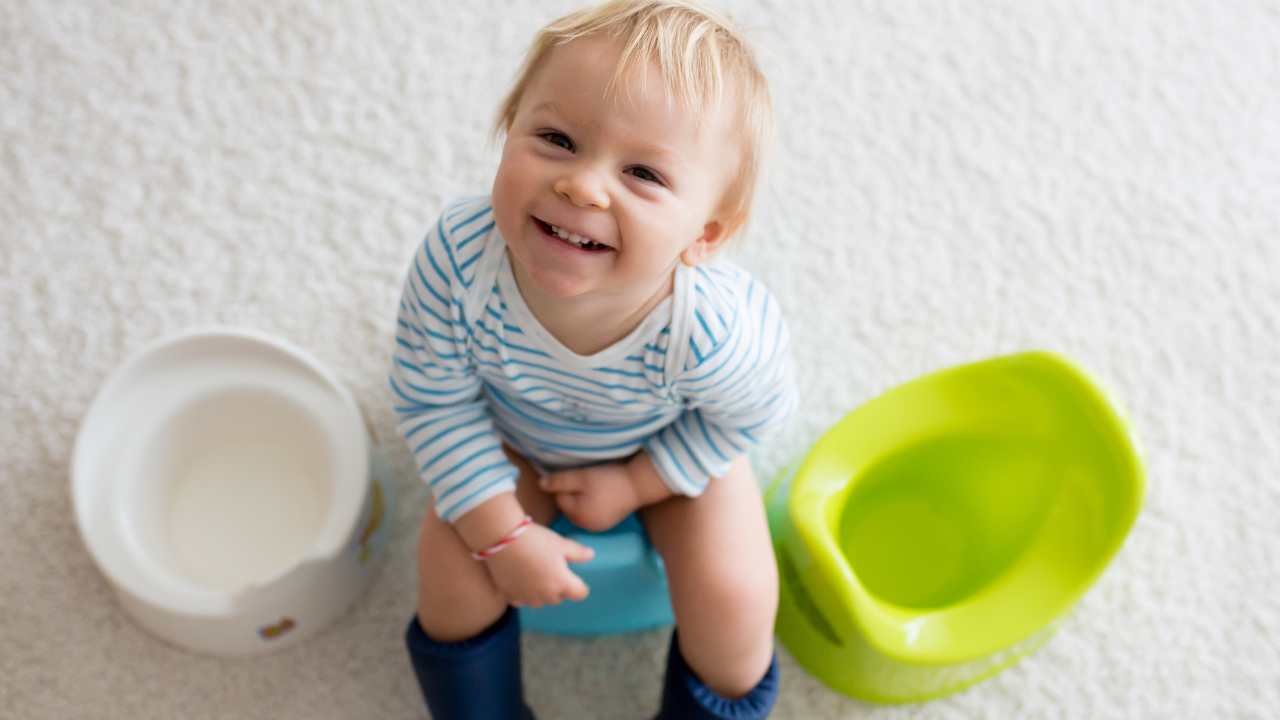
If you’ve started researching potty training, you’ve probably seen completely opposite advice.
Some say train in three days.
Others say wait until your child is nearly three.
Some say use sticker charts.
Others say never use rewards.
It’s no wonder so many parents feel stuck before they’ve even begun.
The truth is, potty training doesn’t need to be rushed, dramatic, or overwhelming. When approached calmly and in stages, it can feel surprisingly straightforward.
If you’re wondering how to start potty training your toddler, it’s easy to feel overwhelmed by conflicting advice. Understanding a clear, step-by-step approach can make the process feel much simpler and calmer. Most potty training advice focuses on quick results, but in reality, the most successful approaches focus on building the skill gradually before expecting independence.
How to Potty Train a Toddler Step by Step
Step 1: Prepare Before Removing Nappies
One of the biggest misconceptions about potty training is that it starts on the day nappies come off.
It doesn’t.
The smoothest potty training journeys begin weeks (sometimes months) earlier, while your toddler is still in nappies.
Preparation looks like:
-
Talking naturally about wees and poos
-
Reading potty training books together
-
Letting your toddler see you use the toilet
-
Making the toilet or potty familiar by encouraging them to sit on it daily
-
Helping them notice body sensations
This stage reduces pressure later. When nappies eventually come off, the toilet isn’t new or scary, it’s already part of everyday life.
If you skip this step, the transition can feel sudden and confusing.
Step 2: Choose Your Timing Carefully
Many parents are told to wait for very specific “readiness signs” or to delay potty training until closer to age three.
But in reality, many toddlers between 18 and 24 months are at a lovely stage for learning:
-
They’re naturally curious
-
They enjoy copying adults
-
They’re less resistant to routine
-
Nappies haven’t been deeply ingrained for years
Waiting longer doesn’t automatically make potty training easier. In fact, for some children, it introduces more independence-based resistance.
Early doesn’t mean rushed.
It means gradual and prepared.
Step 3: Make a Clear Transition When You Remove Nappies
When the time comes to remove nappies during the day, clarity matters.
Instead of:
-
Switching between nappies and pull-ups
-
Only trying at home
A clear shift tends to work better.
That usually means:
-
Moving from nappies → straight to underwear
-
Expecting a short adjustment period
-
Staying consistent across environments
Pull-ups during the day can blur the message, as they work in the same way nappies do by keeping your child dry. Underwear gives toddlers helpful feedback and builds awareness more quickly.
This stage doesn’t need to last weeks. With preparation in place, it’s often just a few days of adjustment.
Step 4: Expect Accidents And Stay Calm
Accidents are not failure. They are part of learning.
In the first few days after nappies come off, accidents are common. What you’re looking for is progress over time:
-
Increased awareness
-
Longer gaps between accidents
-
Beginning to pause before weeing
-
Asking for help occasionally
What doesn’t help:
-
Repeatedly asking “do you need a wee?”
-
Showing frustration
-
Adding pressure
-
Switching back and forth between nappies
Consistency and calm responses are what move things forward.
Step 5: Support Growing Independence
Once your toddler understands the basics, confidence builds quickly.
You can support independence by:
-
Choosing easy, elasticated clothing
-
Building toilet trips into daily routines
-
Encouraging simple self-help skills
-
Staying relaxed when leaving the house
The goal isn’t perfection, it’s steady progress.
Want a Clear Plan to Follow?
If you want a structured, calm approach to potty training, this is exactly what I teach inside the Potty Pros Academy potty training course.
It takes you step-by-step through each stage, from early preparation to confident independence, so you know exactly what to do at every point.
👉 Explore the Potty Pros Academy course here
What If It Doesn’t Seem to Be Working?
If accidents are constant with no improvement, or toileting has become a source of distress, it’s usually a sign to pause and revisit foundations, not to push harder.
Potty training works best when it feels safe and predictable.
Often, going back to preparation and awareness makes everything smoother when you try again.
FAQs About Starting Potty Training
What age should I start potty training?
Most toddlers are ready to begin learning from 18 months old, especially when the process is introduced gradually and without pressure.
How long does potty training take?
The initial transition out of nappies may take a few days, but building confidence and independence usually takes a few weeks.
Should I use rewards when potty training?
Some methods use rewards, but many toddlers learn effectively through routine, consistency, and building awareness instead.
Do I need to wait for readiness signs?
No, readiness signs are not needed to begin potty training. Readiness signs were introduced by a nappy company many years ago to encourage parents to keep their toddlers in nappies for longer. All toddlers are 'ready' and capable to begin potty training from 18 months.
If You Haven’t Started Yet (Or Want It to Feel Easier)
Most of the stress parents experience during potty training comes from starting without preparation.
When you build awareness, familiarity, and confidence first, the transition out of nappies becomes much shorter and calmer.
That’s exactly why I created my free guide: 5 Things to Do Before Starting Potty Training.
It walks you through the simple steps that make everything easier, before you remove nappies.
Ready to get started?
Download my FREE guide on 5 Things You Can Do Before Potty Training.
These simple, practical tips will help you lay the groundwork — so when you do start potty training, the process is smoother, quicker, and less stressful for everyone.
Author