Potty Training Poos: When Your Toddler Won’t Poo on the Potty
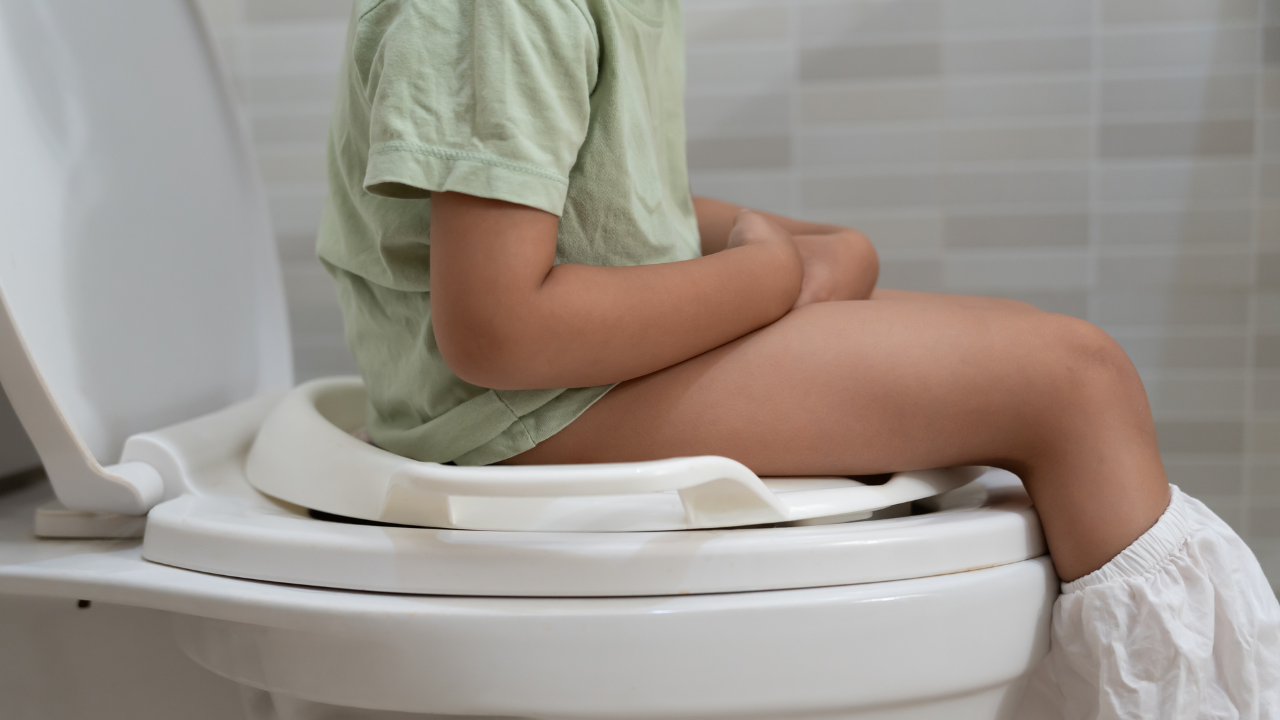
You’ve cracked wees. Your toddler happily uses the potty or toilet for wees most days, and you finally feel like you’re seeing progress.
But poos?
That’s a completely different story.
Maybe your child is holding their poo all day. Maybe they’re asking for a nappy specifically to poo. Or maybe they’ll only poo in private, behind the sofa, or in the corner of the room and the second you suggest the potty, they refuse.
Struggling with potty training poos is extremely common and something a lot of parents face. Many toddlers will happily wee in the potty or toilet but refuse to poo, hold it in, or ask for a nappy instead and it can feel incredibly confusing.
Why This Can Feel So Frustrating
When wees are going well, it’s easy to assume poos will naturally follow. So when they don’t, parents often start to feel stuck.
It can affect your life more than you expect:
-
You start planning days around whether your toddler will poo
-
You worry they’ll become constipated
-
You feel stressed every time they hide or start holding
-
You wonder if you should go “backwards” and return to nappies
-
You feel like potty training is dragging on for weeks or months
And perhaps most frustrating of all… it can feel like the one final hurdle stopping you from being truly nappy-free.
The Truth: Poo Training Is a Different Skill
Here’s the key thing most parents aren’t told:
Learning to poo on the potty is often harder than learning to wee.
And it’s not because your toddler is being stubborn.
Poos are:
-
a stronger body sensation
-
more emotional for toddlers
-
often linked to privacy and control
-
harder to “release” when a child feels pressure
Many toddlers also feel nervous about pooing on the potty or toilet because it’s unfamiliar, they’re used to the security of a nappy and the poo being right close to their body when it happens.
So if your child is happily weeing but struggling with poos, it doesn’t mean potty training has failed or they aren't ready, but more often, it’s a sign that the process has been rushed or that your toddler needs more time to build their confidence and feel comfortable.
Why Toddlers Ask for a Nappy to Poo
This is incredibly common - especially if you started potty training early (which is often a good thing).
Your toddler may want a nappy for poo because:
-
it’s what they’ve always done
-
it feels safe and familiar
-
they like to squat or hide
-
they feel vulnerable sitting on the toilet
-
they want privacy or control
To them, pooing is not just physical - it’s emotional.
What Not to Do (Even Though It’s Tempting)
When parents feel stuck with poo training, they often try to push through it quickly.
But these approaches usually backfire:
-
forcing your toddler to sit longer
-
repeatedly asking “do you need a poo?”
-
reacting with frustration or disappointment
-
turning it into a big moment
-
removing all nappies for daytime and sleep so they can't use them to poo
This often increases resistance, and in some cases can lead to stool withholding - which then becomes a bigger issue than potty training itself.
What Helps Poo Training Click (Without Pressure)
Instead of focusing on getting a poo into the potty immediately, focus on helping your toddler feel calm and capable.
Here are gentle foundations that support poo success:
1. Keep the toilet experience relaxed
The more normal and neutral it feels, the safer it becomes. Toddlers do best when they don’t feel watched, rushed, or pressured.
2. Support the routine, not the outcome
Instead of aiming for “they must poo in the potty today”, aim for consistency:
-
sitting at predictable times (such as 20-30 minutes after a meal)
-
calm encouragement
-
keeping it part of everyday life
3. Pay attention to timing
Most toddlers have a natural poo rhythm. When you learn your child’s usual pattern, you can gently support the routine without constant prompting. If your child doesn't poo at a set time of day, encouraging a relaxed sit after meals can be a helpful place to start, as most children poo shortly after eating.
4. Let privacy be part of the process
Many toddlers genuinely poo better when they feel they have privacy. That doesn’t mean you have to leave them completely alone - it just means you step back, don't watch and remove the pressure.
Why Poos Often Come Later (And That’s Still Success)
A lot of toddlers will master wees first, then take longer to feel confident with poos. That is normal. This doesn’t mean you’re stuck, it just means your toddler needs a bit more time and the right support.
Poos require:
-
trust in the new routine
-
emotional safety
-
physical relaxation
-
confidence in sitting
So if your toddler is doing wees reliably, you’re already doing well. The foundations are there, poos are often the final step.
Want to Avoid Long Poo Struggles?
Poo issues often happen when nappies are removed before a toddler feels fully comfortable with the toilet.
Inside the Potty Pros Academy potty training course, I teach a gradual, step-by-step approach that helps your toddler build confidence first, making both wees and poos easier to manage.
👉 Explore the Potty Pros course here
FAQs About Potty Training Poos
Why won’t my toddler poo on the potty?
Many toddlers find pooing more difficult than weeing. It can feel unfamiliar, emotional, and requires relaxation, which takes time to build.
Is it normal for toddlers to ask for a nappy to poo?
Yes, this is very common. It often feels safer and more familiar, especially in the early stages of potty training.
Should I force my toddler to poo on the potty?
No. Pressure can increase resistance and lead to withholding. A calm, gradual approach helps build confidence over time.
If You Haven’t Started Yet (Or Want to Avoid Poo Struggles Later)
If you’re still in the thinking stage of potty training, or you’re preparing to start soon, this is exactly why early preparation matters.
Most poo struggles don’t come from a child being “not ready”… they often come from skipping the foundations that help toddlers feel confident when nappies are removed.
That’s why I created my free guide on 5 Things to Do Before Starting Potty Training.
It walks you through calm, practical steps to build the right habits before nappies come off, making wees easier, and preventing the long drawn-out “poo battle” many parents get stuck in.
Ready to get started?
Download my FREE guide on 5 Things You Can Do Before Potty Training.
These simple, practical tips will help you lay the groundwork — so when you do start potty training, the process is smoother, quicker, and less stressful for everyone.
Author