
How to Get Your Toddler to Tell You They Need a Wee
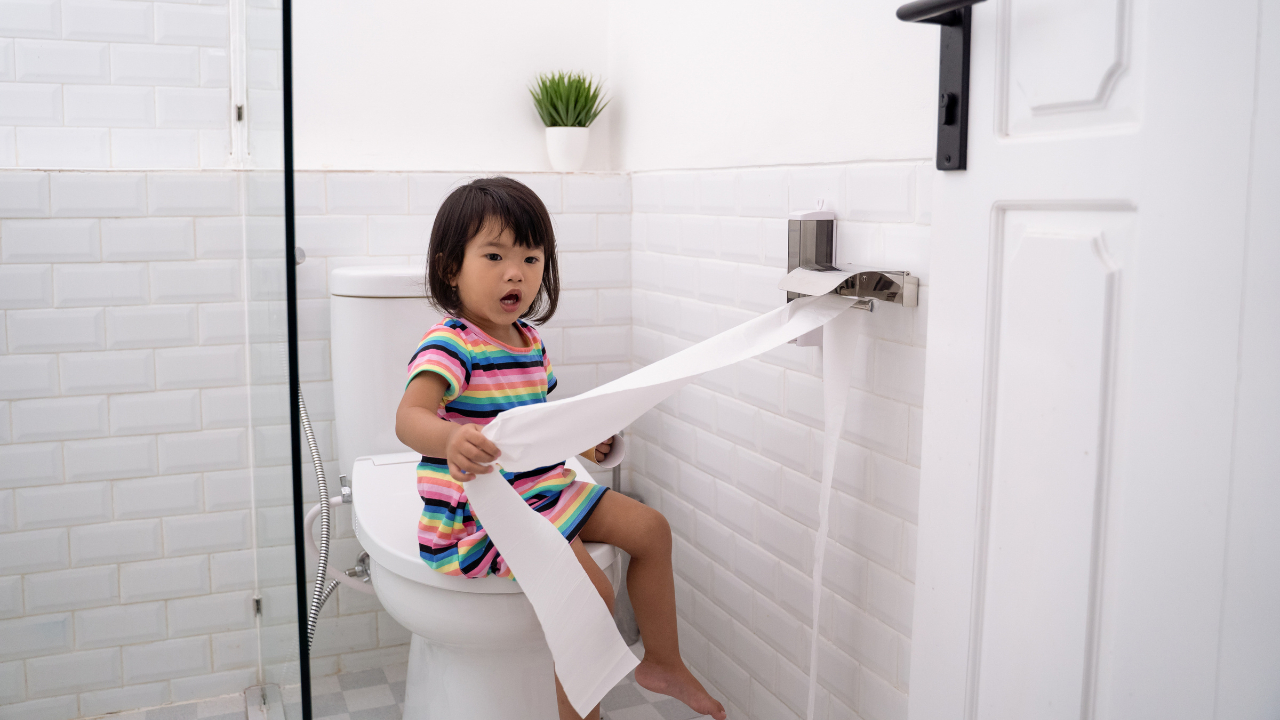
One of the most common worries parents have during potty training is this:
“How will they tell me they need a wee?”
You might be watching your toddler closely, trying to spot signs, asking them regularly if they need to go, and still feeling unsure.
Maybe they don’t say anything at all.
Maybe they tell you after they’ve already weed.
Or maybe they seem completely unaware.
It can make potty training feel unpredictable and a little stressful.
But here’s the key thing to understand:
Telling you they need a wee is not the starting point.
Why Your Toddler Isn’t Telling You Yet
Before a toddler can say “I need a wee,” a few things need to happen first.
They need to:
- Notice the feeling in their body
- Understand what that feeling means
- Connect that feeling to using the toilet
- Then communicate it
That’s quite a big chain of events.
So if your toddler isn’t telling you yet, it doesn’t mean they’re not ready. It usually just means they’re still building awareness.
What Communication Looks Like Before Words
Communication doesn’t start with full sentences.
Before toddlers say “I need the toilet,” they often:
- pause during play
- go quiet suddenly
- hide or move to a corner
- hold themselves
- look unsettled
Sometimes they’ll only realise after they’ve done a wee and that’s still progress.
Even saying “uh oh” or pointing is a step in the right direction.
The goal isn’t instant verbal communication, it’s growing awareness over time.
Why Asking “Do You Need a Wee?” Often Doesn’t Work
It’s very natural to ask your toddler regularly if they need the toilet.
But for many toddlers, this doesn’t actually help.
That’s because:
- they don’t yet understand the sensation well enough to answer
- they’re focused on play, not their body
- “no” is often their default answer
- it can start to feel like pressure
So instead of building awareness, it can sometimes create confusion or resistance.
What Helps Instead
Rather than relying on your toddler to tell you straight away, focus on building the steps that lead to that moment.
1. Build awareness first
The more your toddler understands what their body feels like, the easier communication becomes.
This comes from:
- consistent routines
- calm exposure to the toilet
- time without nappies (when appropriate)
2. Use predictable toilet times
Instead of constantly asking, create a rhythm.
For example:
- after waking
- before leaving the house
- before naps or meals
This removes the pressure from your toddler needing to decide or tell you.
3. Keep language simple and consistent
Use the same phrases each time so your toddler begins to connect words with actions.
For example:
- “It’s time to use the toilet.”
- “Your body is doing a wee.”
Over time, they begin to internalise this language.
4. Accept that telling you comes later
Many toddlers don’t consistently tell you they need a wee until after they’ve already built the skill.
First comes:
👉 awareness
👉 then routine
👉 then confidence
👉 then communication
Not the other way around.
What Progress Actually Looks Like
Instead of waiting for your toddler to say “I need a wee,” look for these signs of progress:
- they pause before or during a wee
- they become aware after it happens
- they start going at routine times
- accidents begin to reduce
Communication often appears gradually within this process - not at the beginning.
If You Haven’t Started Yet
If you’re still preparing for potty training, this is exactly why starting with awareness, rather than expecting communication can make such a difference.
When toddlers understand their body first, telling you what they need becomes much easier later on.
That’s why I created my free guide: “5 Things to Do Before Starting Potty Training.”
It walks you through the simple steps that help your toddler build awareness and confidence before nappies come off, so potty training feels calmer and more predictable.
Ready to get started?
Download my FREE guide on 5 Things You Can Do Before Potty Training.
These simple, practical tips will help you lay the groundwork — so when you do start potty training, the process is smoother, quicker, and less stressful for everyone.
Author