How Long Does Potty Training Really Take?
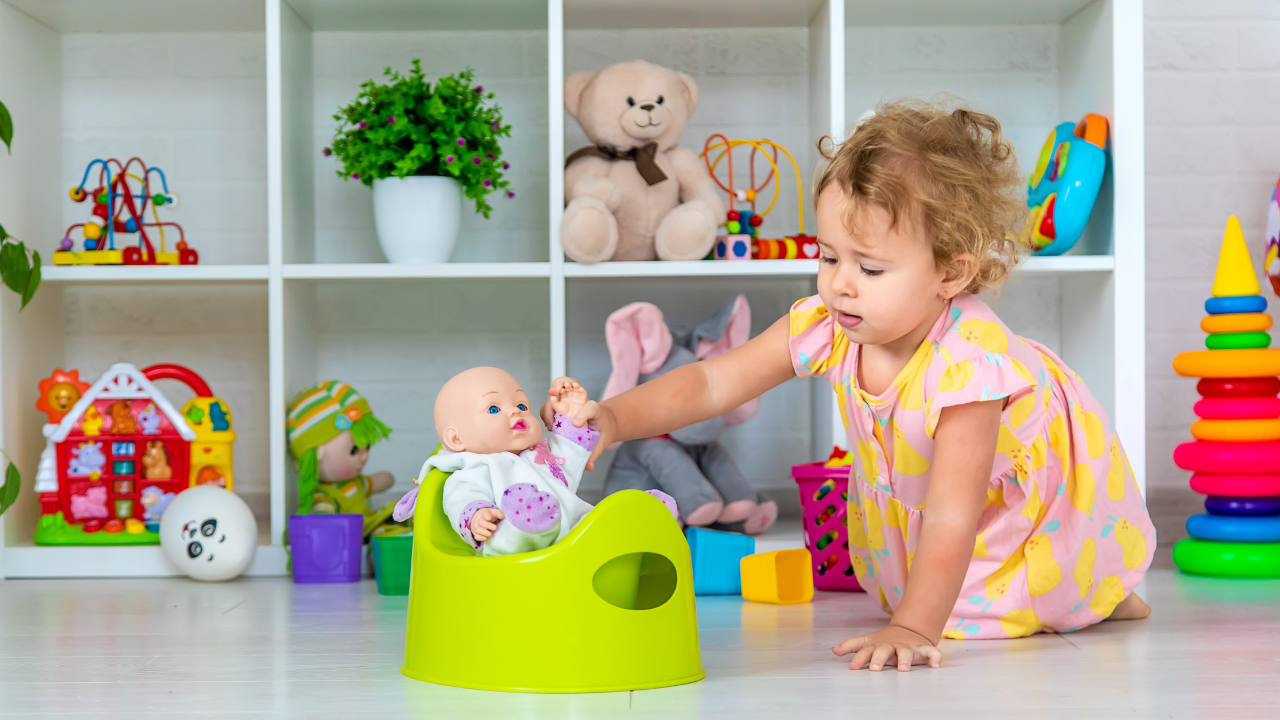
One of the first questions parents ask is, “How long will potty training take?”
You might have heard:
- “It only takes 3 days”
- “It'll be over in just a week”
- “You’ll be done in a weekend”
So naturally, you expect potty training to be fast.
But then reality hits.
Your toddler isn’t instantly dry.
There are accidents.
Progress feels slower than expected.
And suddenly you’re wondering:
“Is this normal?”
“Am I doing something wrong?”
The truth is, the timeline you’ve been told often isn’t realistic.
Why the “3-Day” Expectation Can Be Misleading
The idea that potty training takes just a few days is very appealing.
But in most cases, those “3 days” only represent:
- the moment nappies come off
- the very start of learning
Not the full process.
After those first few days, many families still experience:
- ongoing accidents
- needing to remind their child
- reliance on prompts
- challenges with poo
- setbacks weeks or months later
So while it may look quick at the beginning, the learning often continues for much longer.
What a More Realistic Timeline Looks Like
There isn’t one exact timeline that fits every child (as every child develop skills on their own unique timeline) but there is a more realistic way to think about it.
Before nappies come off (Preparation phase)
This is the part most people skip.
This stage can take weeks or months, and includes:
- building awareness of their body
- becoming familiar with the toilet
- creating simple routines
This is where the foundations are built.
When nappies come off (Adjustment phase)
Once your toddler already understands what’s happening, this stage is often much quicker.
Typically around 2–3 days, you may see:
- a few accidents
- growing awareness
- increasing confidence
Because the learning has already started in the preparation phase, this stage feels more like a gentle transition than a shock change from nappies one day to no nappies the next.
After nappies are off (Consolidation phase)
Following those first few days, your toddler continues to refine the skill.
Over the next 1–3 weeks, you’ll usually see:
- fewer accidents
- more independence
- less need for support
This is where everything begins to click into place.
What “Finished” Potty Training Actually Means
Potty training isn’t about perfection after a certain number of days.
A more realistic definition is:
- your toddler usually stays dry
- they recognise when they need to go without reminders or prompts
- they use the toilet with minimal support
- accidents are occasional, not constant
Why Slower Can Actually Be Faster
It might feel counterintuitive, but starting more gradually often leads to a quicker overall result.
When you:
- build awareness first
- avoid rushing
- keep things calm and consistent
…you often get:
- fewer accidents
- less resistance
- a smoother transition out of nappies
Compared to rushing in quickly and dealing with weeks (or months) of ongoing challenges.
What If It Feels Like It’s Taking Too Long?
If potty training feels like it’s dragging on, it’s usually a sign that something is missing, not that your child can’t do it.
Often, it comes back to:
- lack of awareness
- too much pressure
- inconsistent approach
- starting without preparation
Adjusting these areas can make a big difference.
If You Haven’t Started Yet (Or Want a Smoother Experience)
Most of the frustration around potty training timelines comes from starting without a clear foundation.
When toddlers are prepared first, the transition out of nappies becomes much quicker and the whole process feels far more manageable.
That’s exactly what I walk you through in my free guide: 5 Things to Do Before Starting Potty Training.
It shows you how to build awareness, routine, and confidence before you begin, so potty training doesn’t feel like a drawn-out process.
Ready to get started?
Download my FREE guide on 5 Things You Can Do Before Potty Training.
These simple, practical tips will help you lay the groundwork — so when you do start potty training, the process is smoother, quicker, and less stressful for everyone.
Author