
Why Children Are Starting School Not Toilet Trained (And What Parents Can Do)
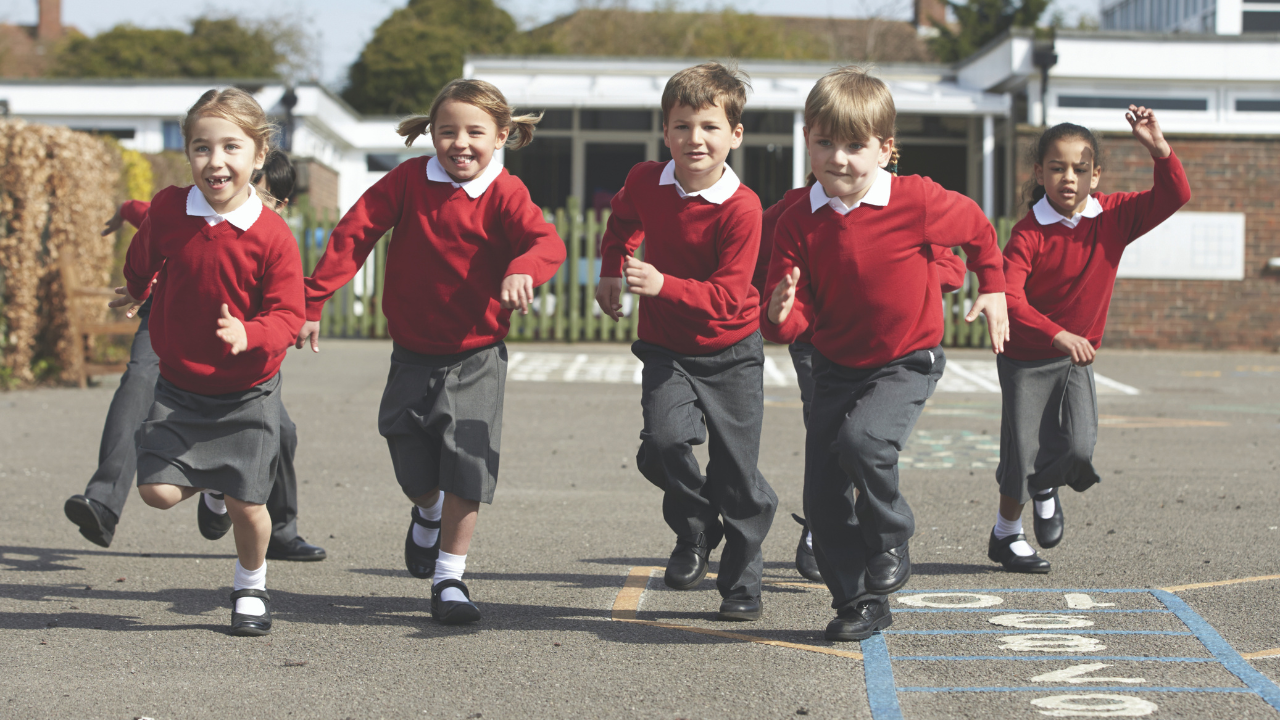
There’s been quite a lot of attention this week on how many children are starting school in England without basic life skills, especially toilet training.
According to the latest School Readiness Survey by Kindred Squared, primary school staff report that they spend an average of 1.4 hours every school day helping children use the toilet, change nappies, or assist with toileting needs, roughly the equivalent of an entire school day each week taken up with this alone.
Teachers also say that around 26% of pupils starting Reception in 2025 weren’t toilet trained, and in some areas that rises to closer to one in three children who aren’t ready when they start school. This has a real impact on classroom routines, teaching time, and school staff workload.
Many parents now find themselves questioning when to start potty training, especially with so much conflicting advice around “readiness” and timing.
Why This Is Happening
One of the biggest reasons more children are starting school without being toilet trained is the advice parents have been given over the last decade.
Many families are told to:
-
Wait longer before starting potty training
-
Look for very specific “readiness signs”
-
Avoid starting “too early” in case it causes stress or failure
As a result, lots of parents don’t even consider potty training until well after age two - sometimes closer to three.
By that point, nappies have been the norm for years. Children are comfortable in them, less aware of their body cues, and often much more resistant to change. What was once a gradual learning process becomes something that feels bigger, harder, and more emotionally charged.
This advice is usually well meaning, but it’s left many parents feeling unsure about when to start and worried about doing it “wrong.” In the meantime, the age at which children begin potty training has slowly crept later and we’re now seeing the knock-on effect in schools.
Starting earlier doesn’t mean rushing or forcing. It means introducing toileting gently, at an age when children are often more adaptable and open to learning new routines.
What the Data Is Really Showing
The issue isn’t parents, it’s the approach they’ve been given. They’re doing exactly what they’ve been advised to do.
For years, the dominant message has been: “Just wait - they’ll do it when they’re ready.”
But the data now suggests that for many children, this wait and see approach isn’t leading to smoother potty training or easier school transitions.
The uncomfortable truth is that waiting longer doesn’t automatically make potty training easier. It doesn’t guarantee:
-
fewer accidents
-
less resistance
-
finishing potty training quickly
-
or a calmer experience for the child
In many cases, it actually creates the opposite.
What does seem to help is starting earlier and more gradually. That means introducing toileting:
-
before resistance becomes a strong factor
-
before nappies are deeply ingrained as the default
-
before there’s pressure to “be ready” for school
Early doesn’t mean you need to rush or force potty training into 3 days.
Early means starting with preparation, giving children time to build awareness, confidence, and familiarity long before independence is expected.
A Different Way to Approach Potty Training
If the idea of waiting for “readiness” has left you feeling unsure, there is another way to approach potty training.
Inside the Potty Pros Academy potty training course, I teach a gradual, step-by-step method designed specifically for toddlers aged 18–24 months, helping you start earlier, build skills slowly, and avoid the resistance that often comes with waiting too long.
👉 Explore the Potty Pros course here
FAQs About Potty Training and School Readiness
What age should a child be potty trained by?
Most children are expected to be toilet trained before starting school at age 4. Many families now start potty training much later than they did previously as they believe they need to wait for signs of readiness. Some families assume potty training will be quick and easy if they start with an older child, but that's not always the case. If their child faces resistance or ongoing accidents this can result in the child not fully being fully potty trained by the time they start school.
Is it too early to start potty training before age 2?
All children are capable of learning the skills needed to potty train from 18 months (some children with specific additional needs may need more time), especially when introduced gradually and without pressure.
Do children potty train themselves when they’re ready?
While children develop at different rates, potty training is a learned skill that benefits from guidance, routine, and consistent adult support. Although some children seemingly potty train themselves with little help or accidents, this is very uncommon.
If You’re Thinking About Potty Training (But Not Sure Where to Start)
If your child hasn’t started potty training yet or you’re feeling uncertain about timing or how to approach it, the best way to start is with gentle preparation and clarity.
I created a free guide, “5 Things to Do Before Starting Potty Training,” exactly for parents in this stage. It walks you through simple, practical steps that build confidence, awareness and familiarity before nappies come off, setting your child up to start potty training feeling capable and confident.
Ready to get started?
Download my FREE guide on 5 Things You Can Do Before Potty Training.
These simple, practical tips will help you lay the groundwork — so when you do start potty training, the process is smoother, quicker, and less stressful for everyone.
Author